
Transhumance: Counting Cows, Counting Beads – 2025
We acknowledge the support of the Canada Council for the Arts

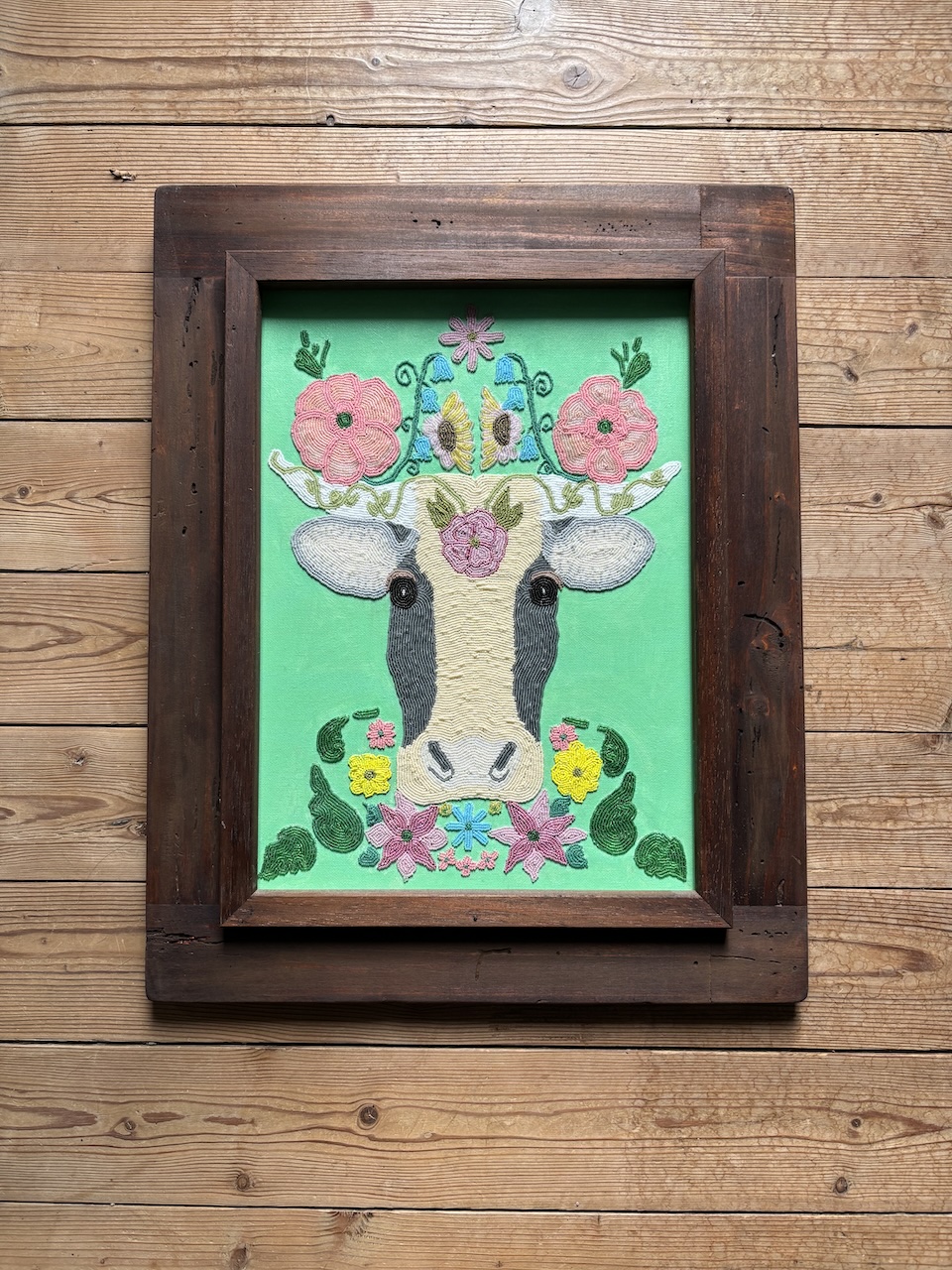
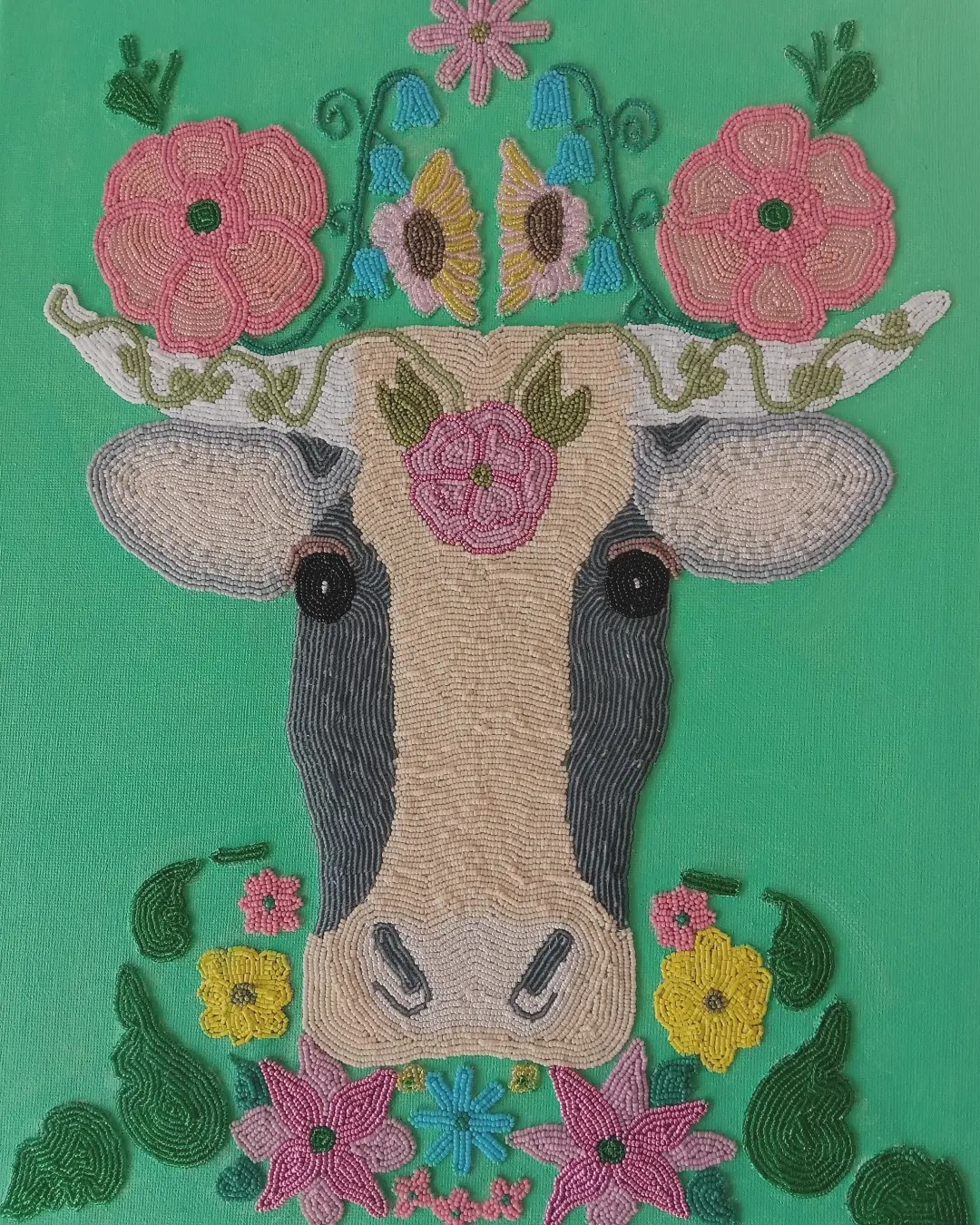
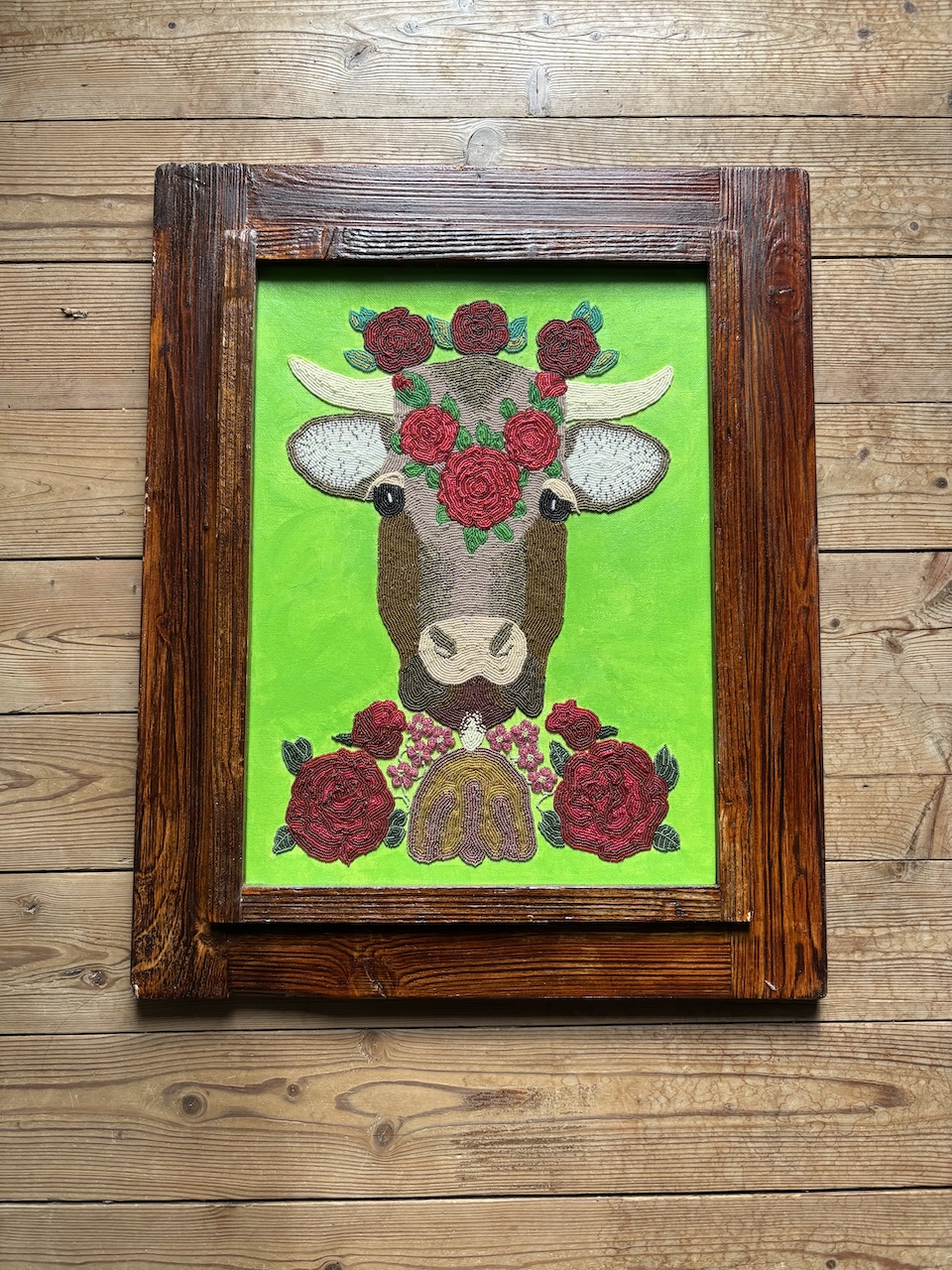


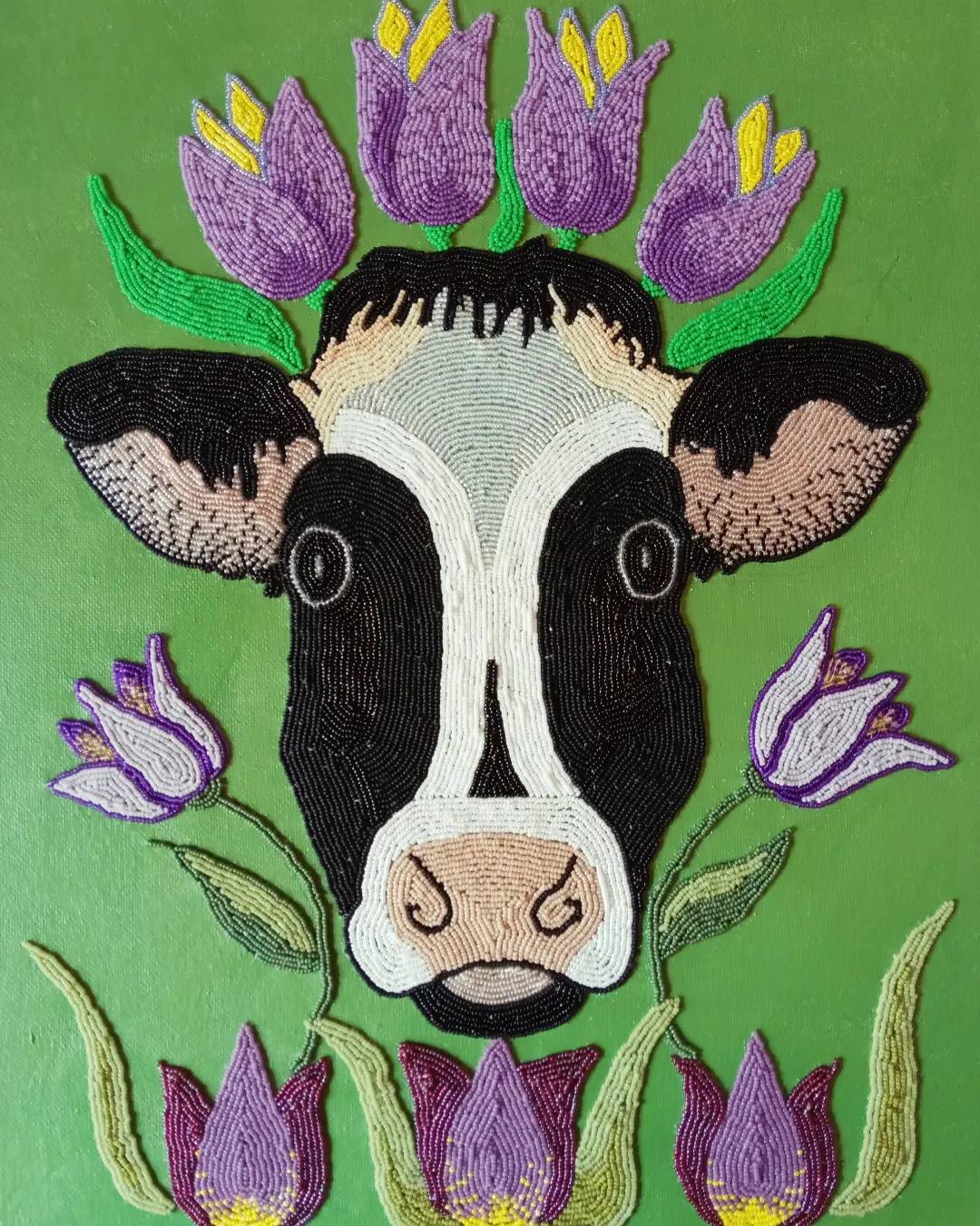
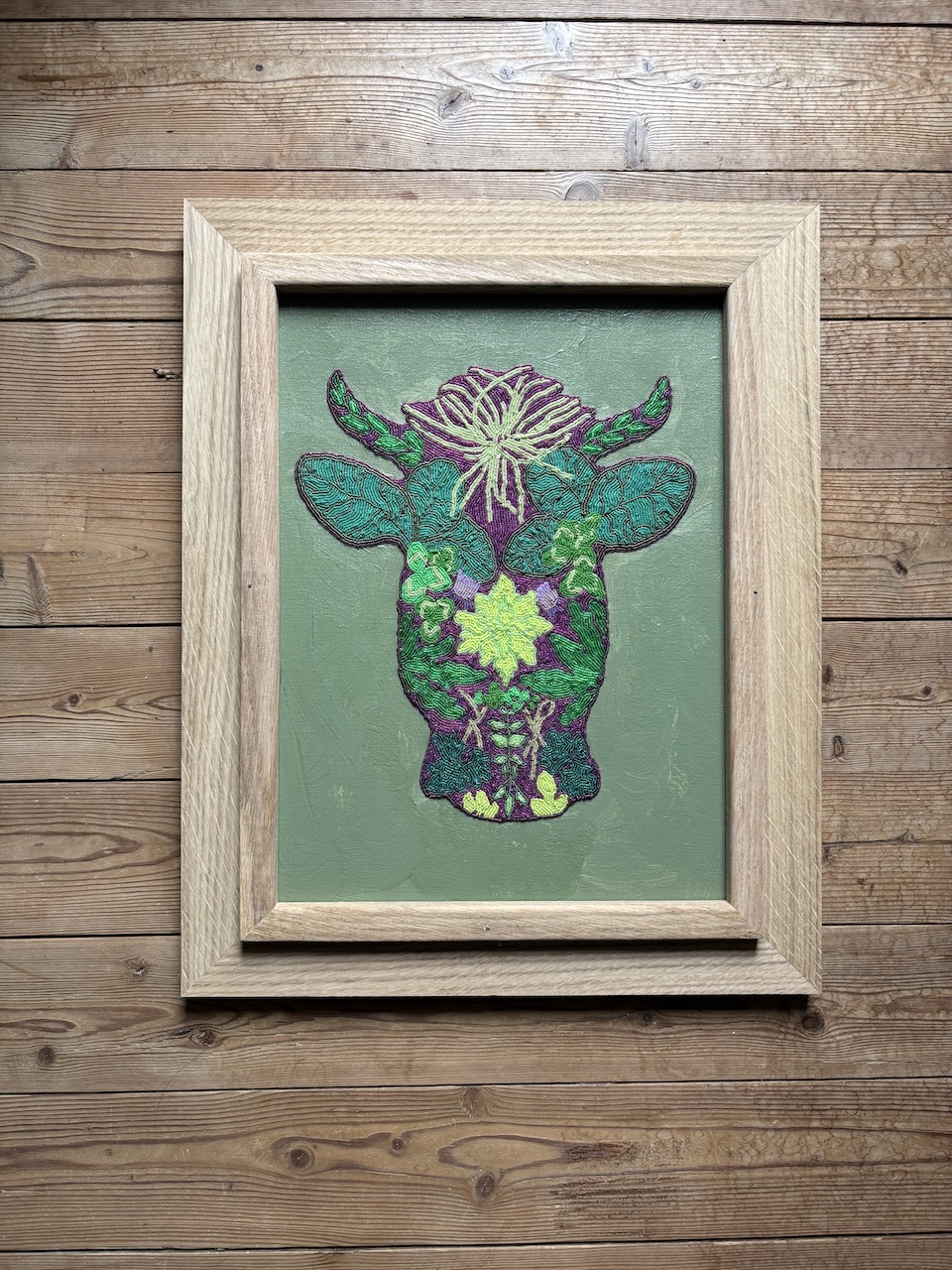

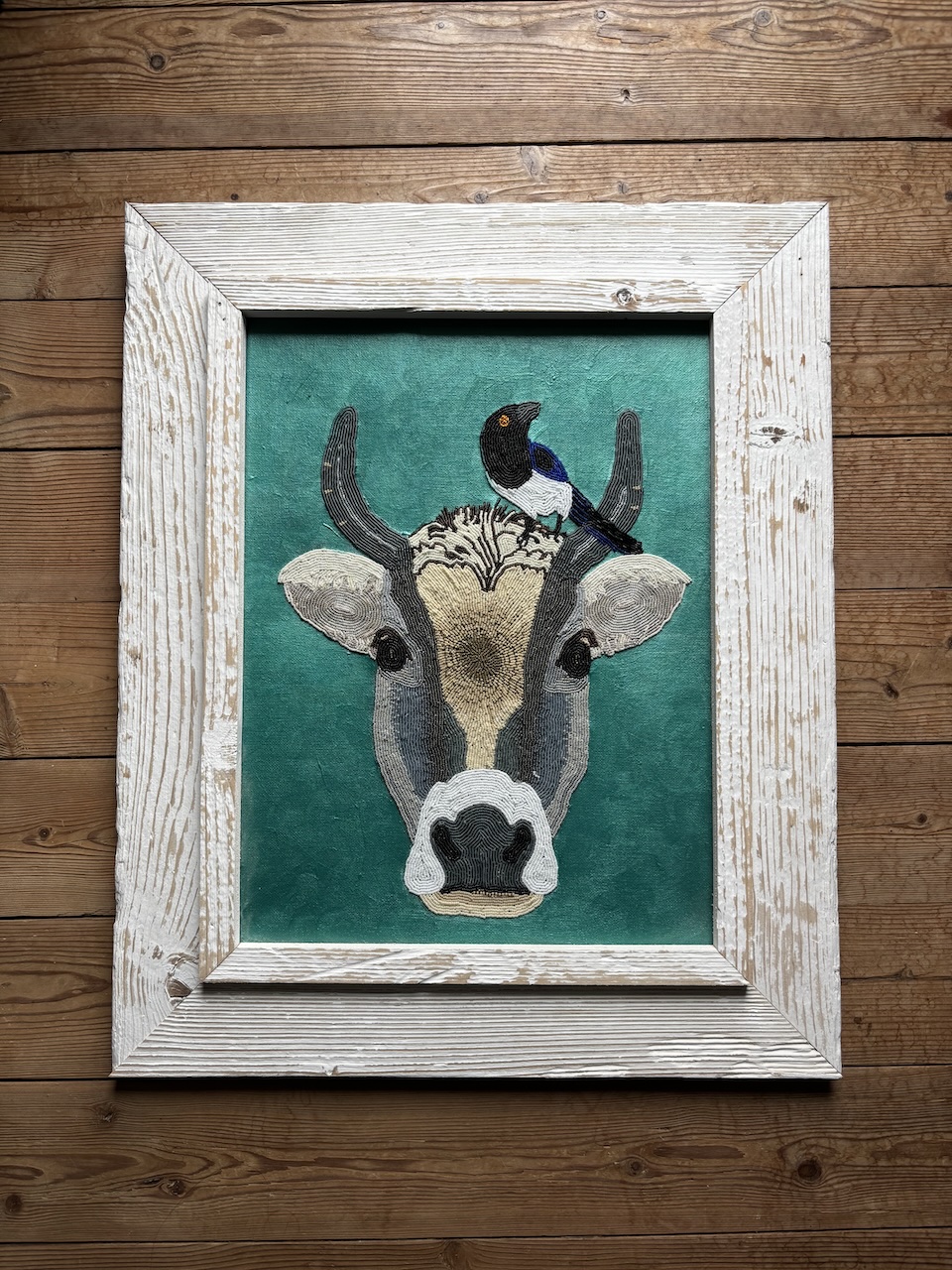

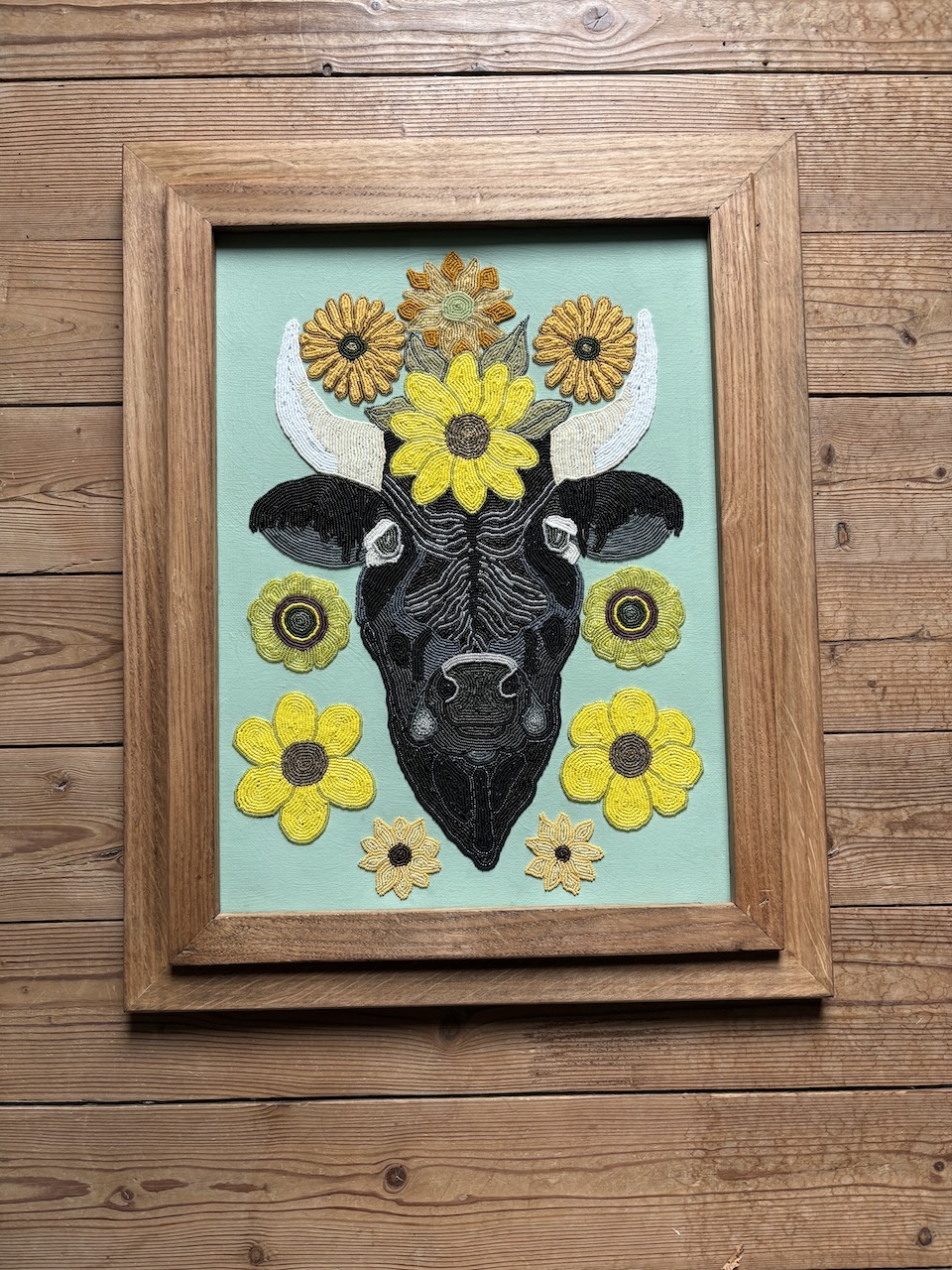
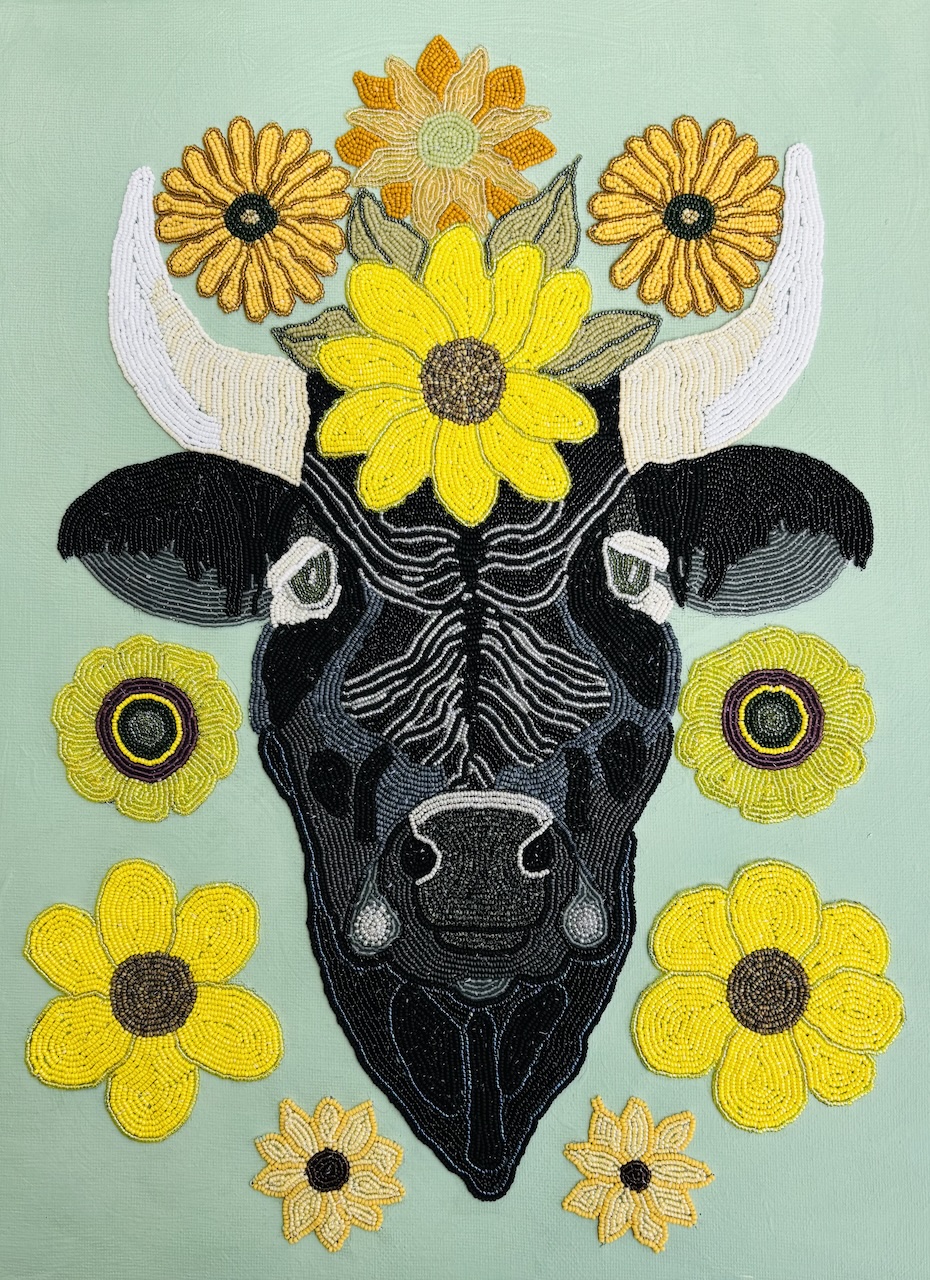

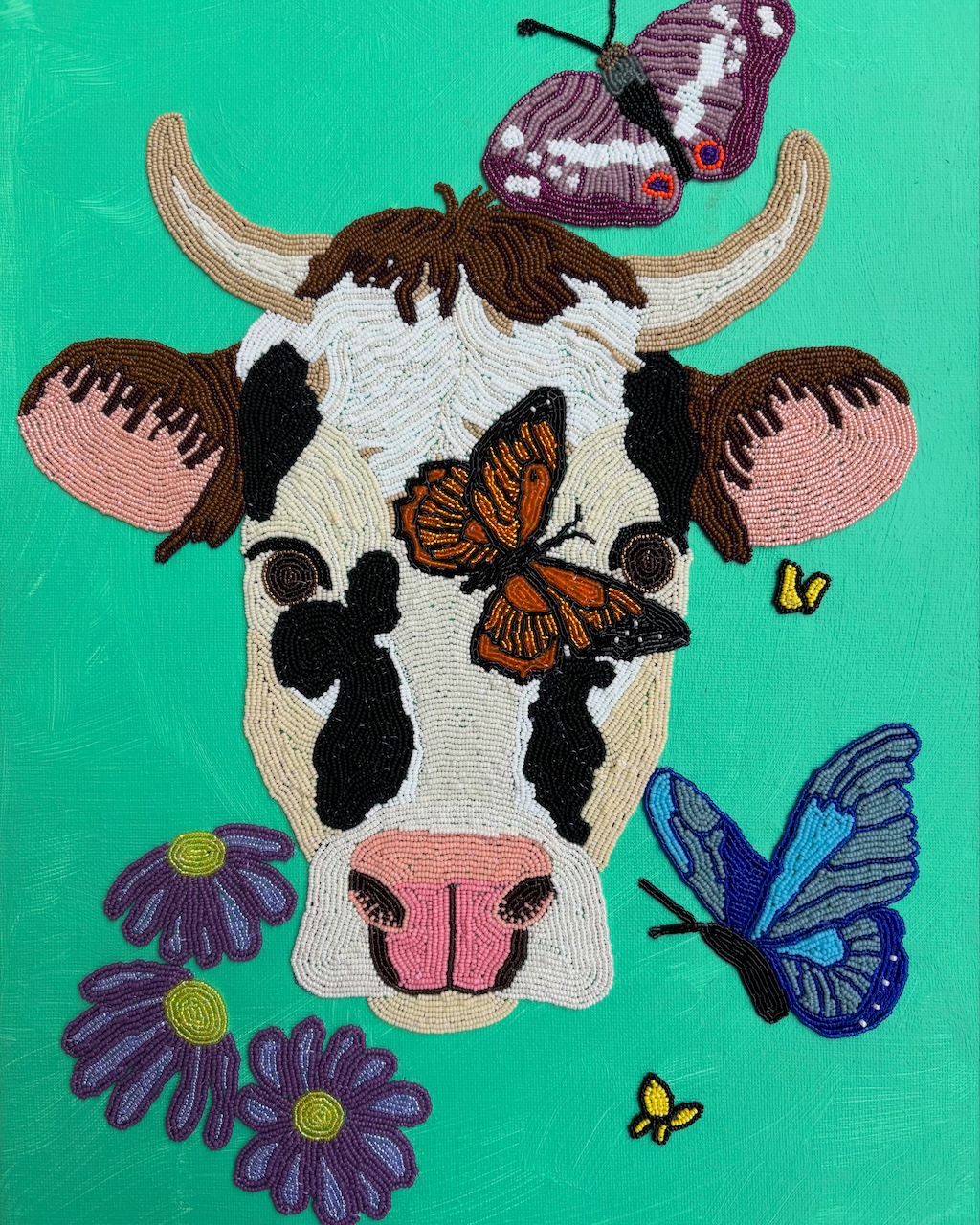
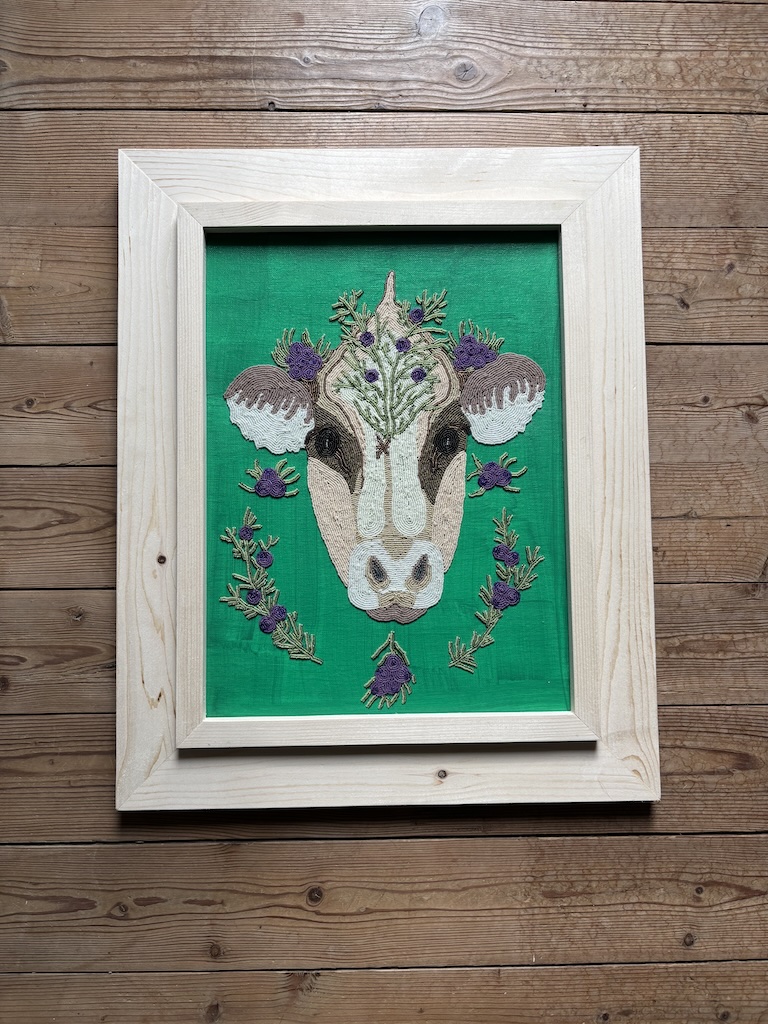

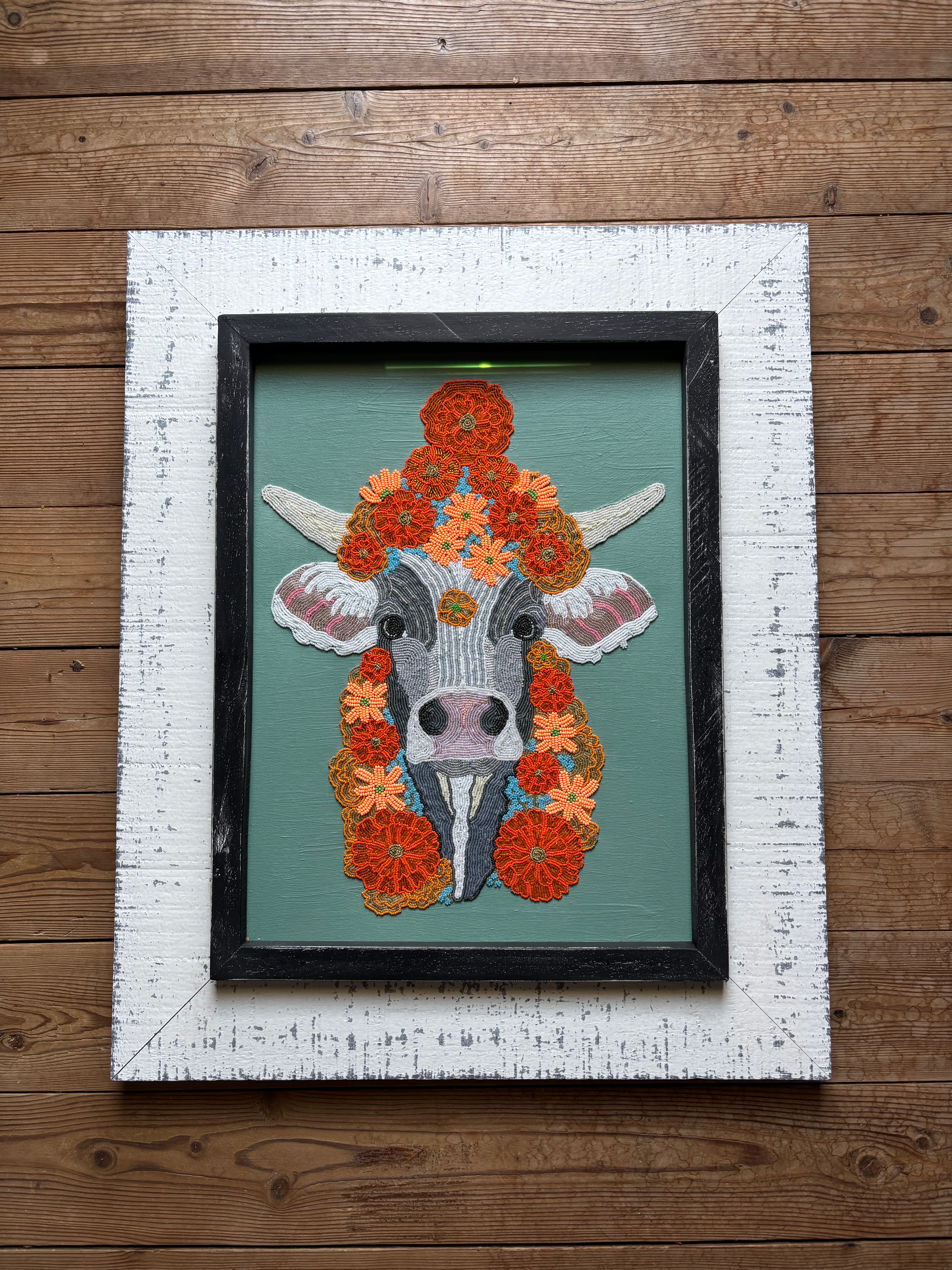
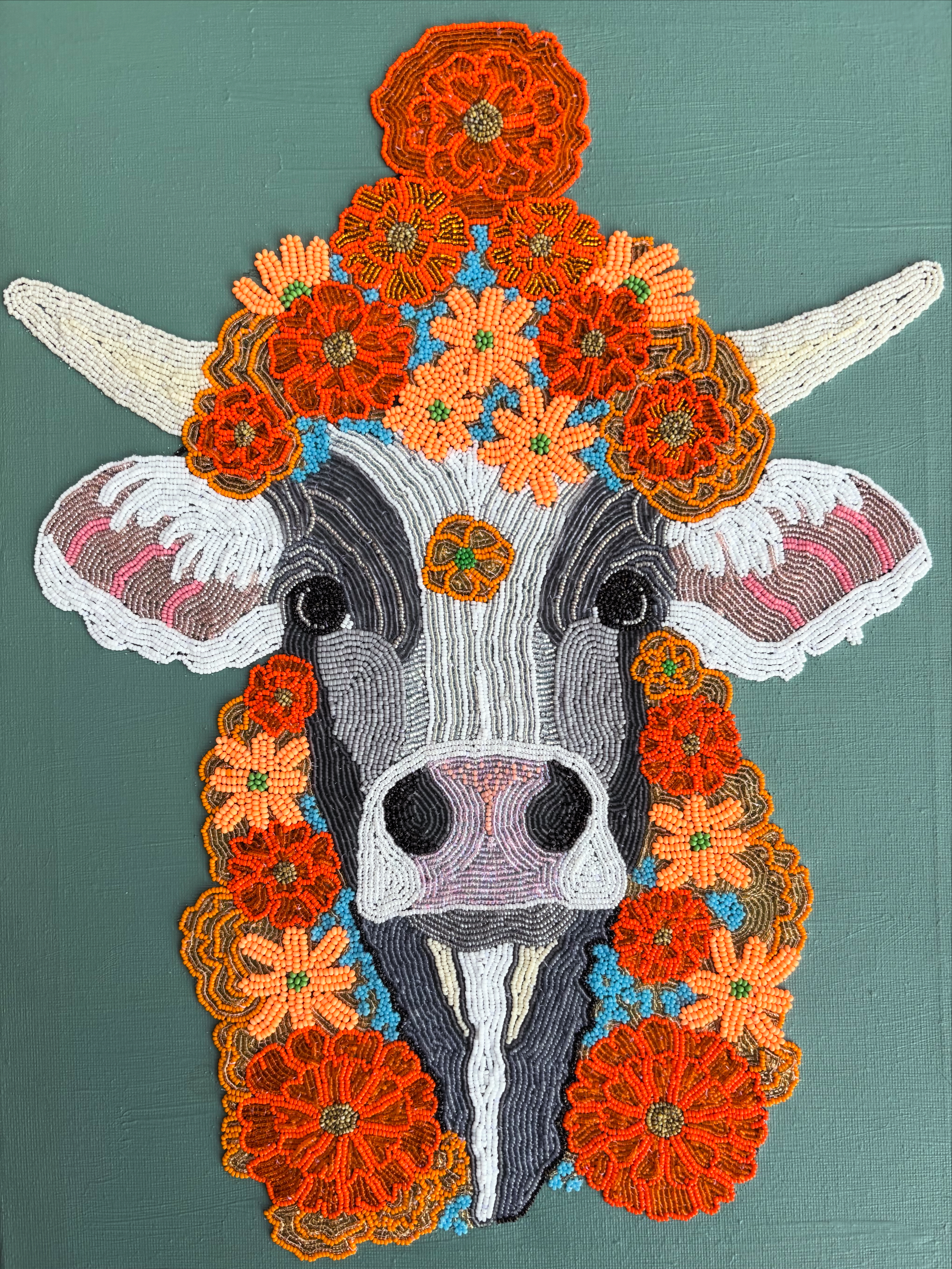
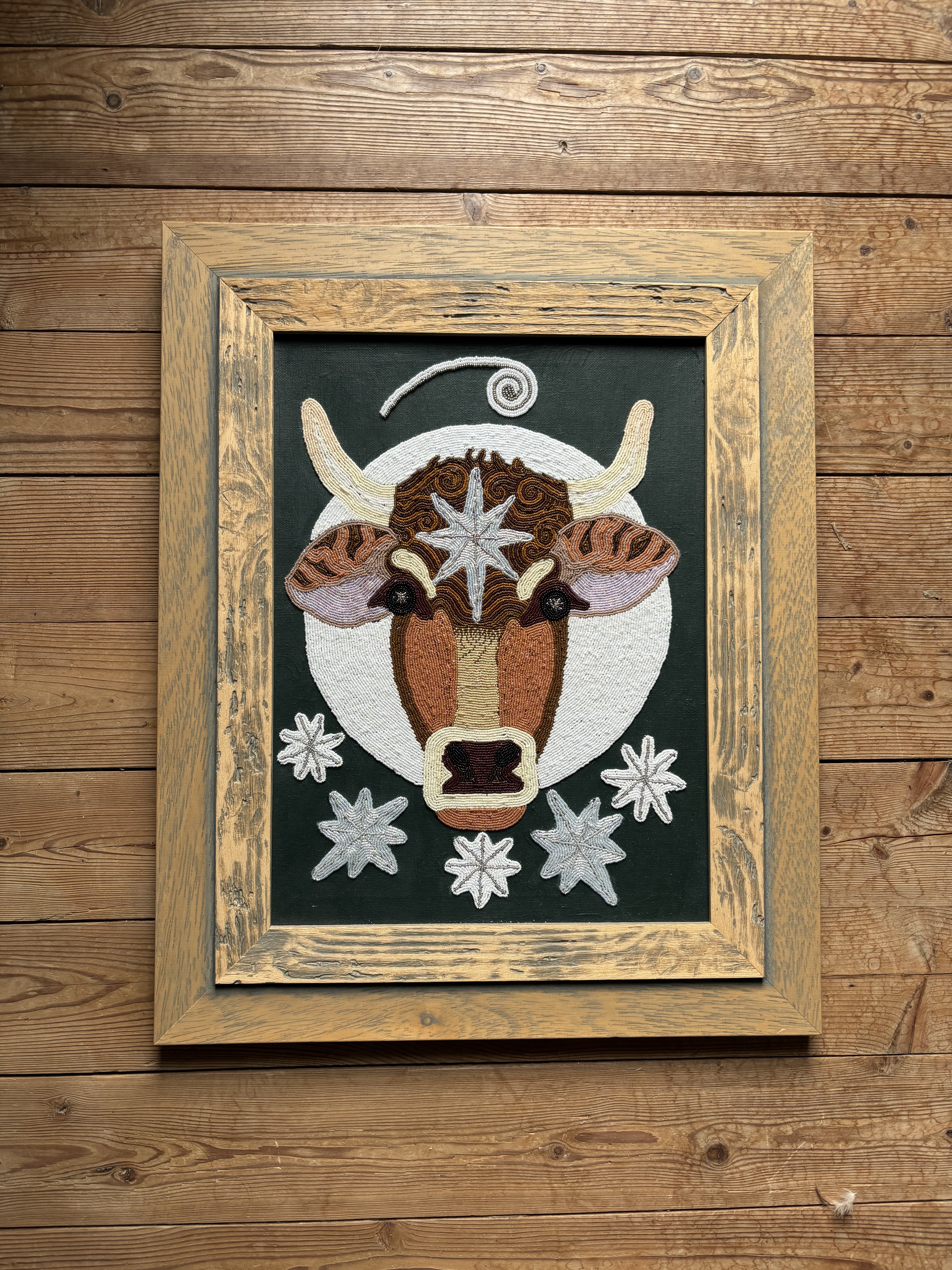
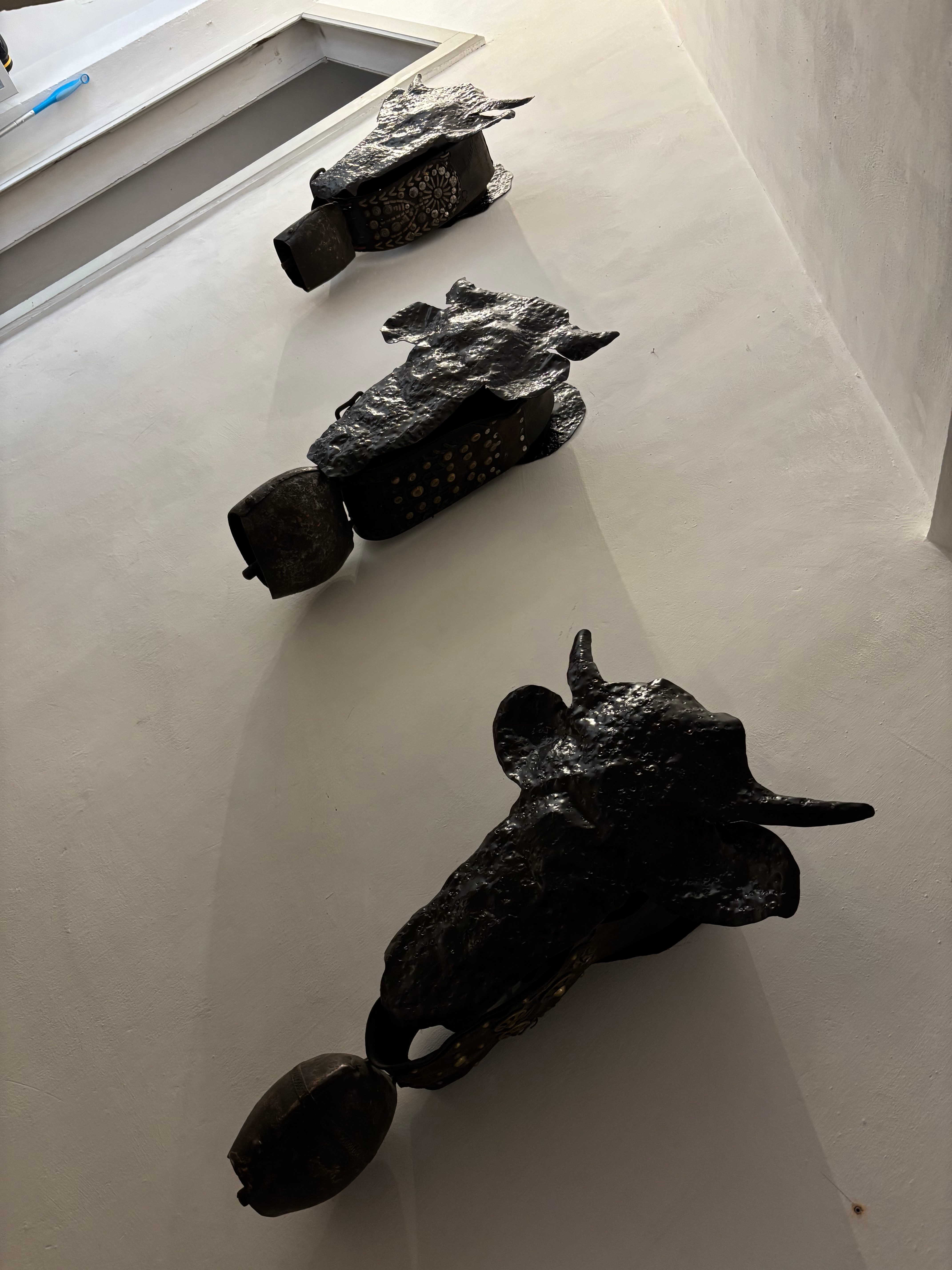

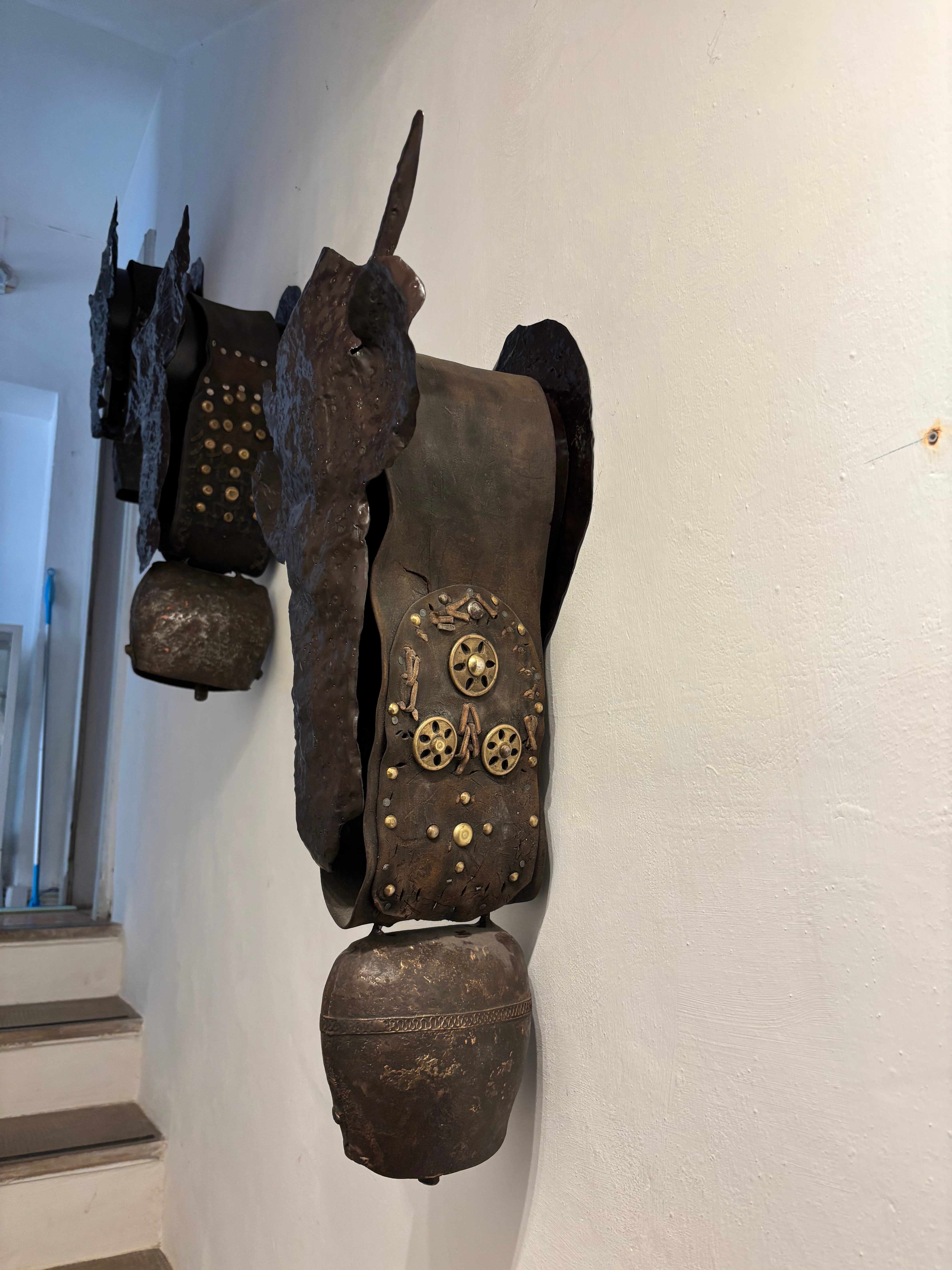
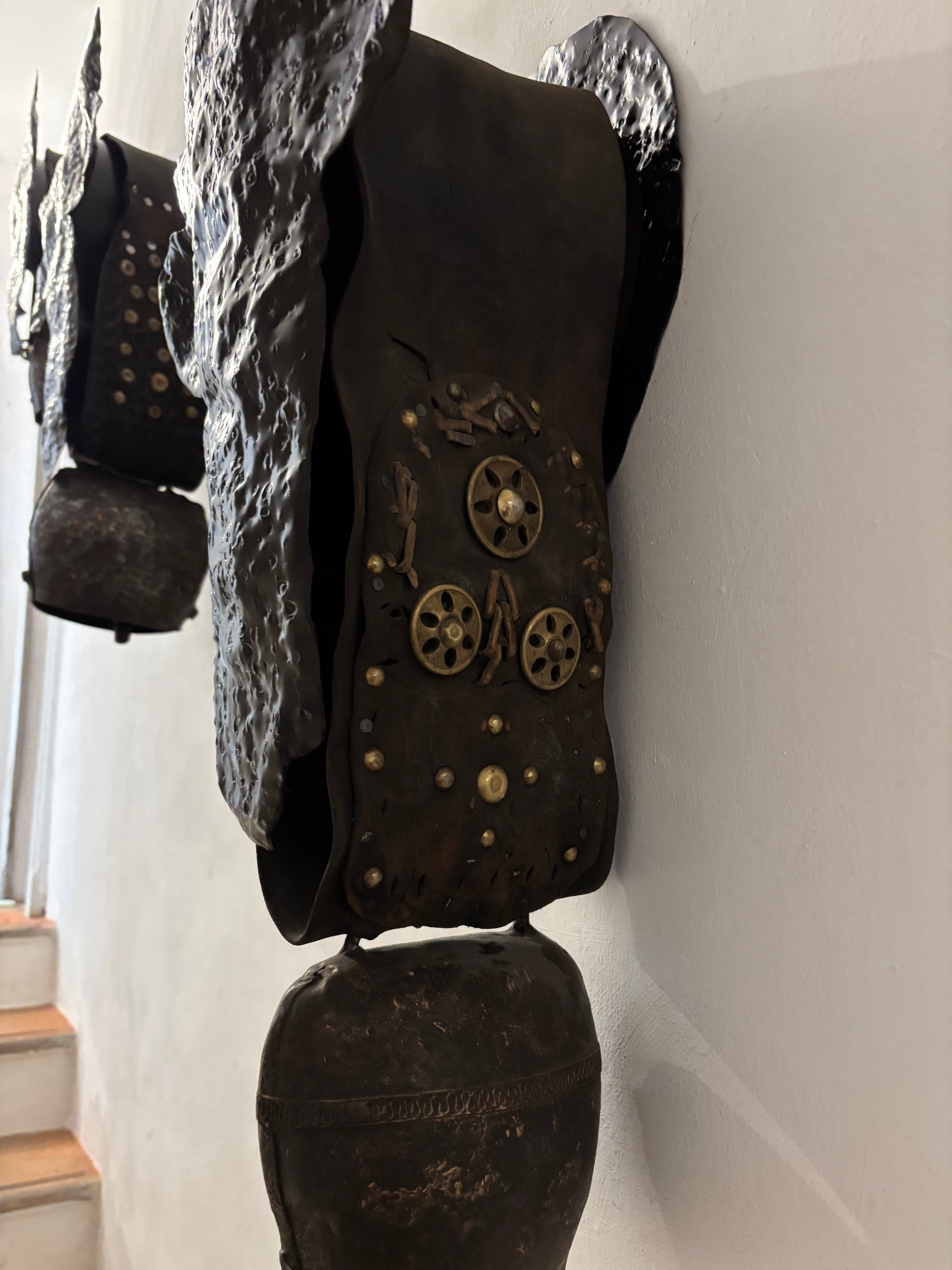
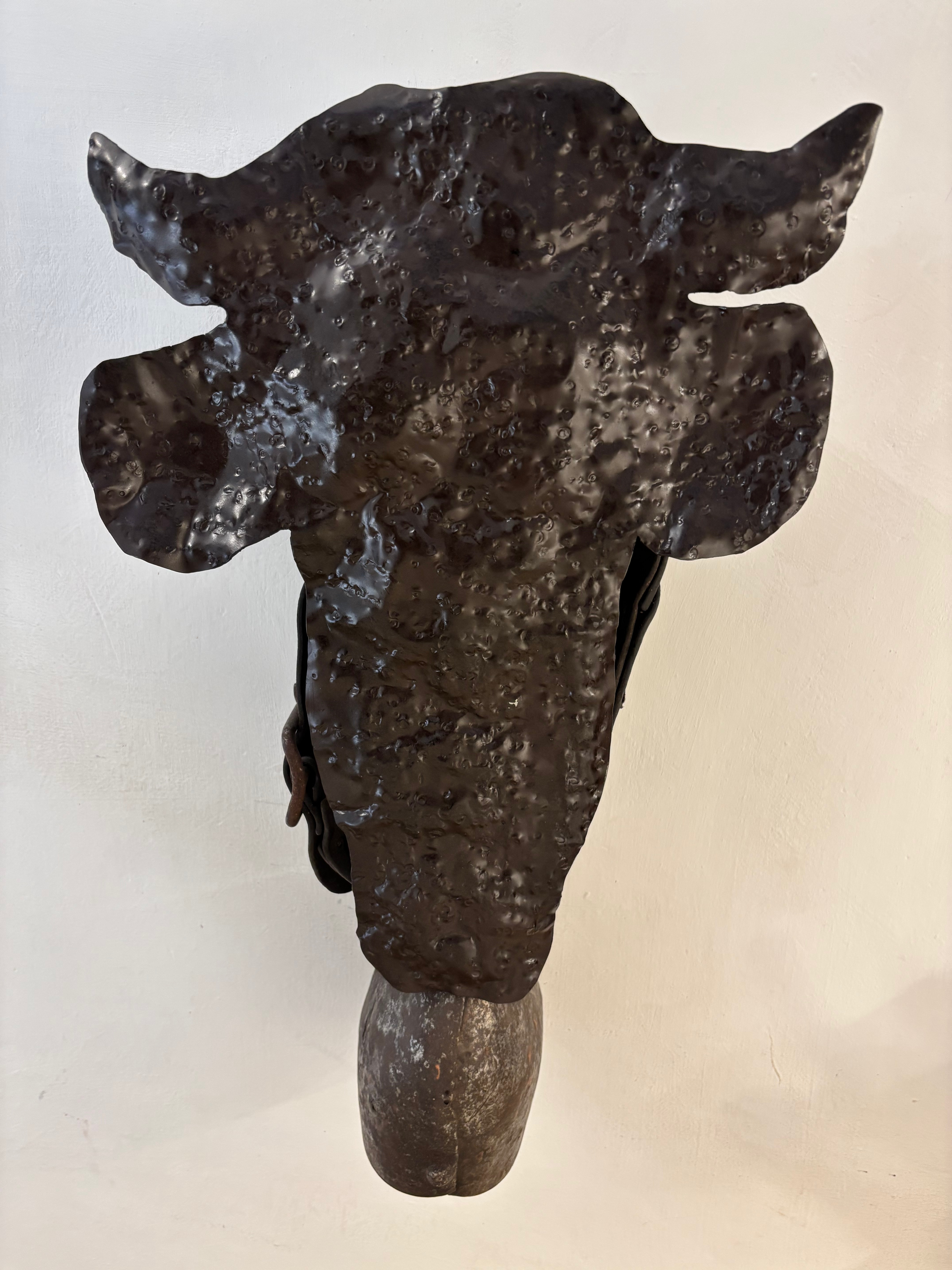

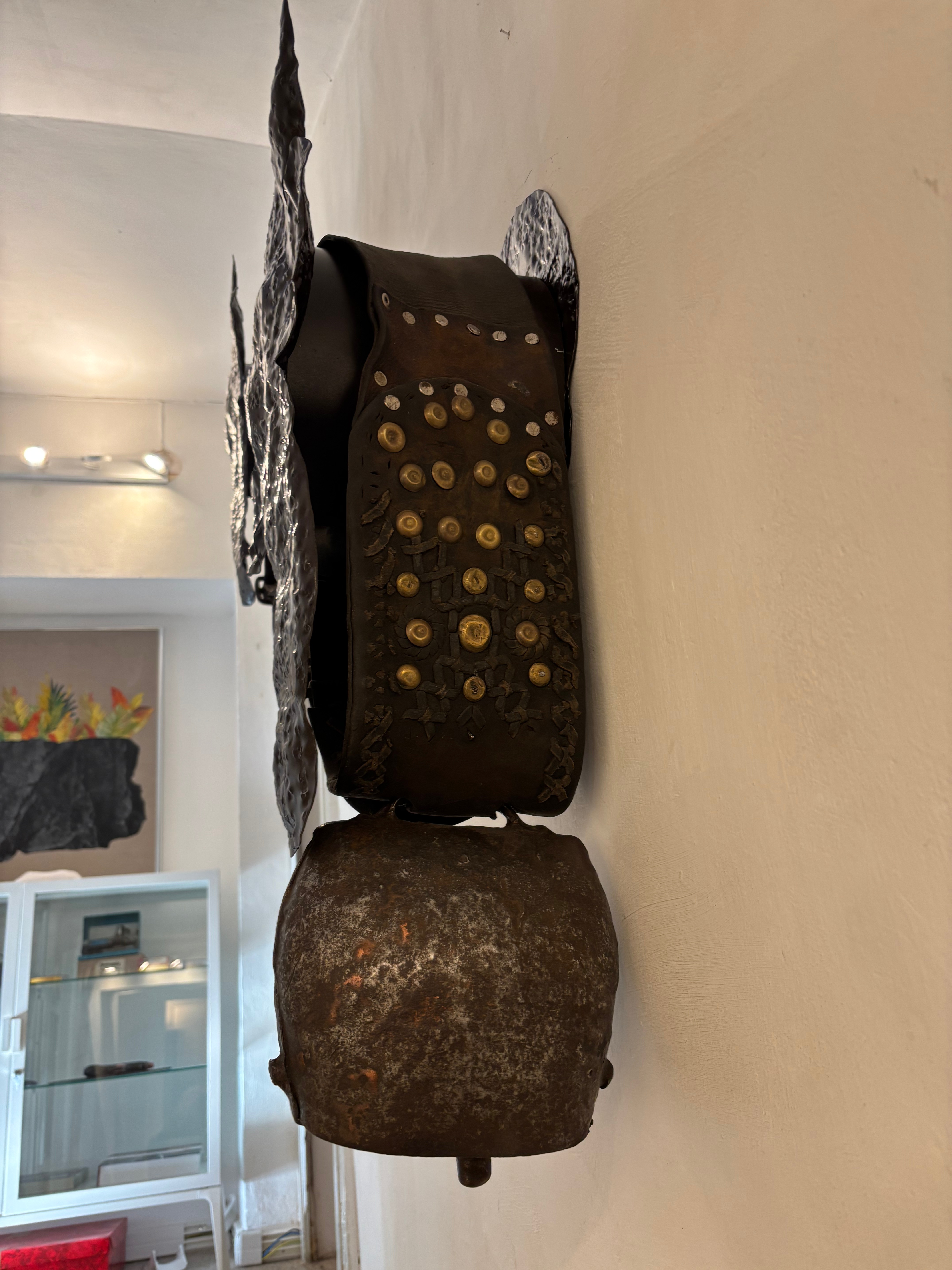

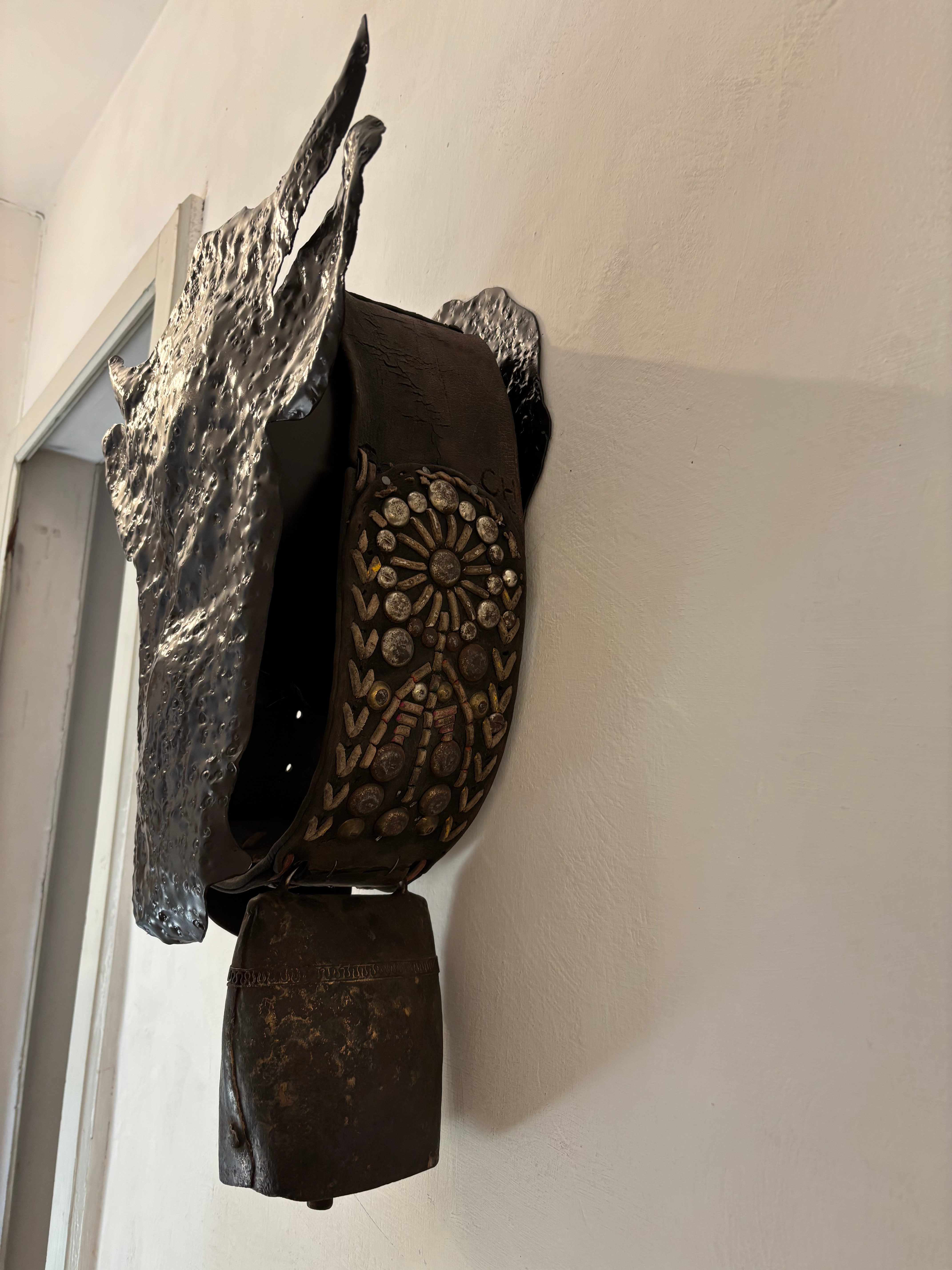
This body of work exists at the intersection of material history, human migration, and the shared rituals of counting. Currently based in the Biellese Alps of Northern Italy, my recent work is shaped by the ancient rhythm of transhumance—the seasonal movement of livestock to high mountain pastures. From my studio window, I observe the passage of these animals, a spectacle of sound driven by heavy iron bells and the ancient calls of shepherds. For me, this manifests as a visual and auditory ritual of counting, which mirrors the physical execution of my primary medium: contemporary beadwork.
In the studio, this rhythm is translated into a precise methodology: taking up exactly ten glass beads at a time onto my needle to build complex compositions. As a Red River Métis artist and citizen of the Manitoba Métis Federation, this medium connects me to a deep ancestral lineage. Historically, the Métis were known as “The Flower Beadwork People” for their intricate floral designs—a tradition linked to global commerce. The highly prized seed beads (conterie) utilized by my ancestors were manufactured on the island of Murano, Venice, entering North America through far-reaching colonial trade networks where they functioned as a vital material currency.
This body of work unites these parallel systems of movement, trade, and labor. Through ten beaded portraits of alpine cows, framed as formal paintings in collaboration with Accademia Cornici (Biella, Italy), I reinterpret traditional floral motifs through a non-traditional contemporary lens. These portraits are complemented by three dimensional wall sculptures created with ironsmith Carmine Longo (Masserano, Italy), which fuse modern ironwork with handcrafted, antique Italian cowbells.
Exhibition History & Social Context
A solo exhibition of this body of work, titled “Transumanza. L’arte della migrazione,” curated by Andrea Trivero, was presented at Villa Piazzo in Pettinengo, Italy, from July 16 to September 13, 2026. It was an honor to exhibit this series at a venue so deeply committed to the intersection of contemporary art, social solidarity, and material culture under the stewardship of Associazione Pacefuturo ODV.
Villa Piazzo holds a distinct place in global contemporary art discourse as home to the permanent land-art installation, Garden of the Third Paradise, by renowned Biellese artist Michelangelo Pistoletto. Pistoletto utilizes a reconfigured infinity symbol as the conceptual core of his practice to signify a balanced future where nature and artifice coexist. As a Red River Métis person, this symbol deeply resonates, mirroring the infinity sign of the Métis flag. Exhibiting my work in physical dialogue with Pistoletto’s legacy was a privilege.
The hosting organization, Pacefuturo (“Future Peace”), operates an internationally recognized model of accoglienza diffusa (diffused hospitality). Rather than isolating displaced peoples, the association integrates refugees directly into small local communities, providing Italian language education, legal support, and active agency within sustainable micro-economies and local craft traditions. The asylum seekers housed here actively maintain the historic walking trails of the Pettinengo territory, tend the gardens of Villa Piazzo, and care for the resident animals.
Introducing contemporary beadwork to this community sparked meaningful cross-cultural dialogue. By displaying these works in a space dedicated to human dignity, migration, and regional revitalization, the exhibition highlighted the enduring power of art as a site of global connection.
The artworks included in the exhibition were made possible through a grant from the Canada Council for the Arts; we gratefully acknowledge their support.


You must be logged in to post a comment.