
Transhumance: Counting Cows, Counting Beads – 2025
We acknowledge the support of the Canada Council for the Arts

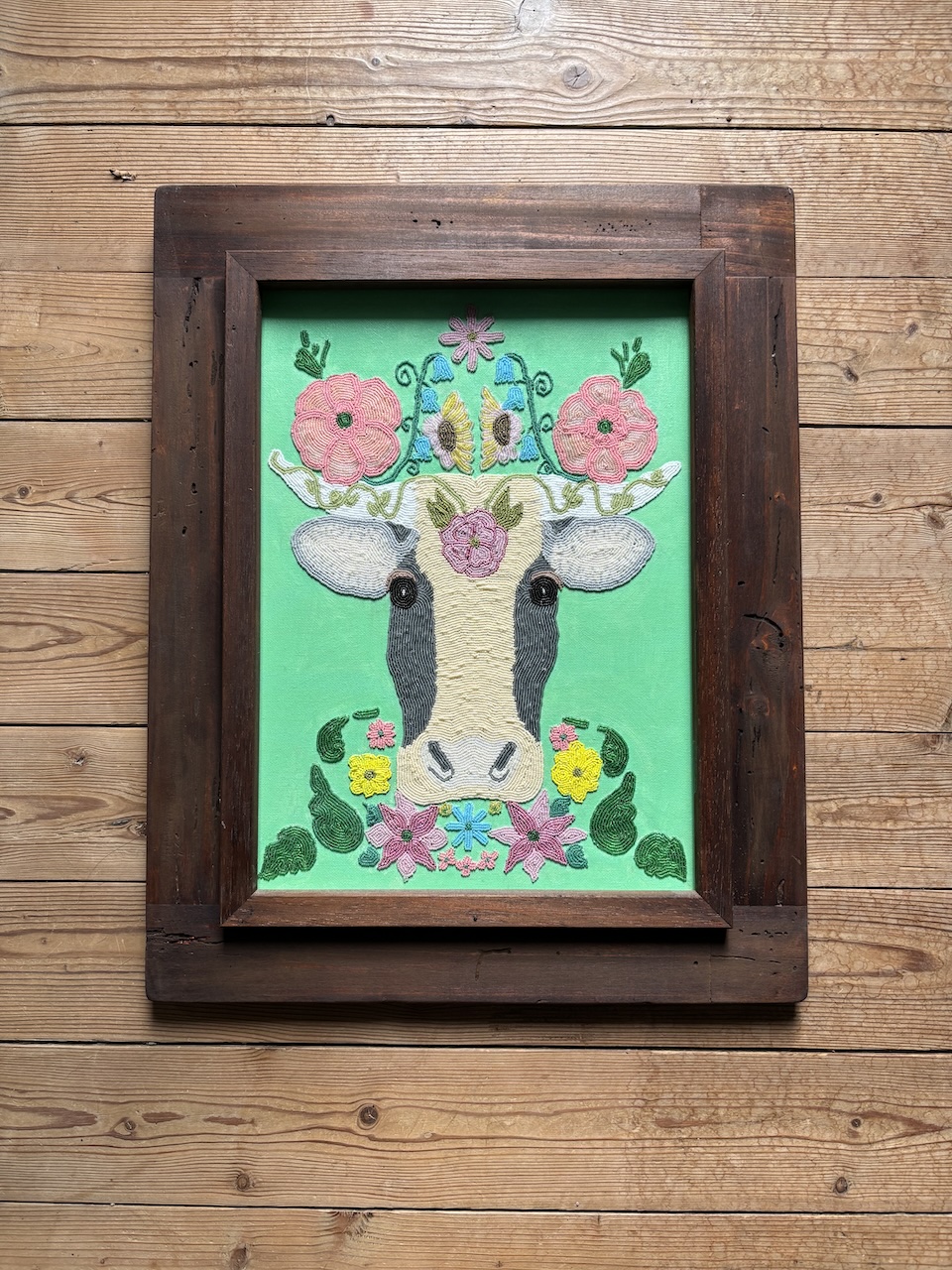
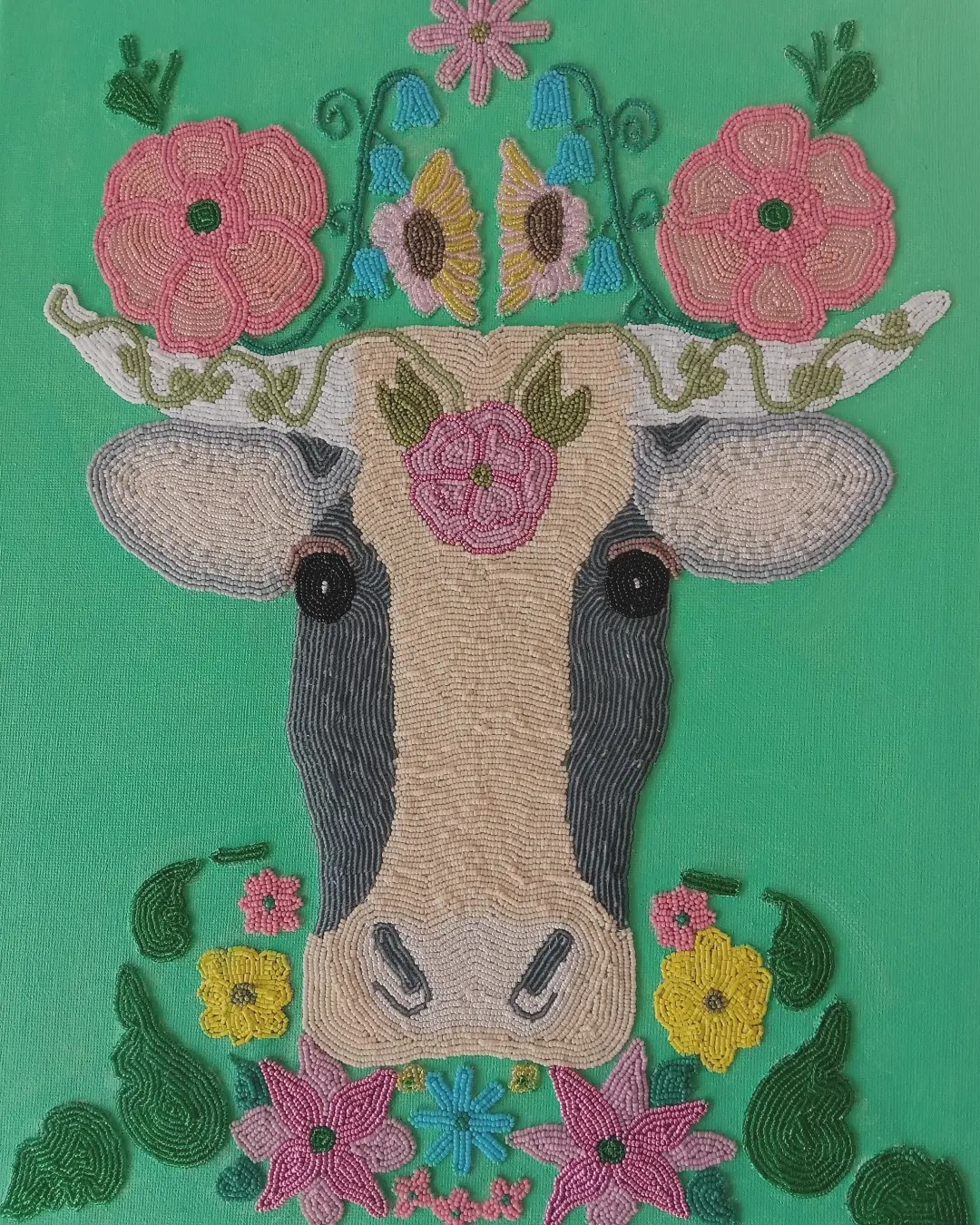
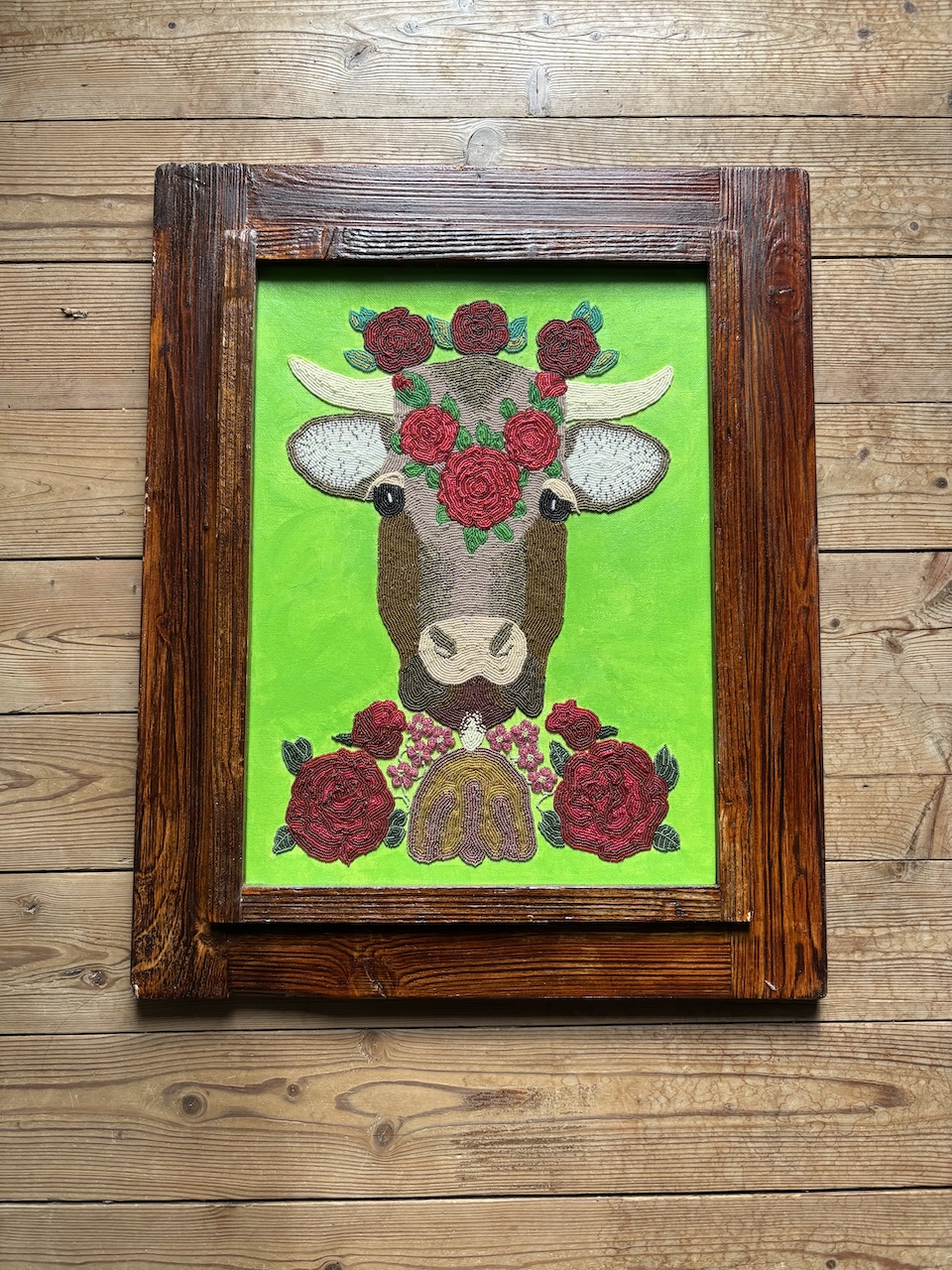


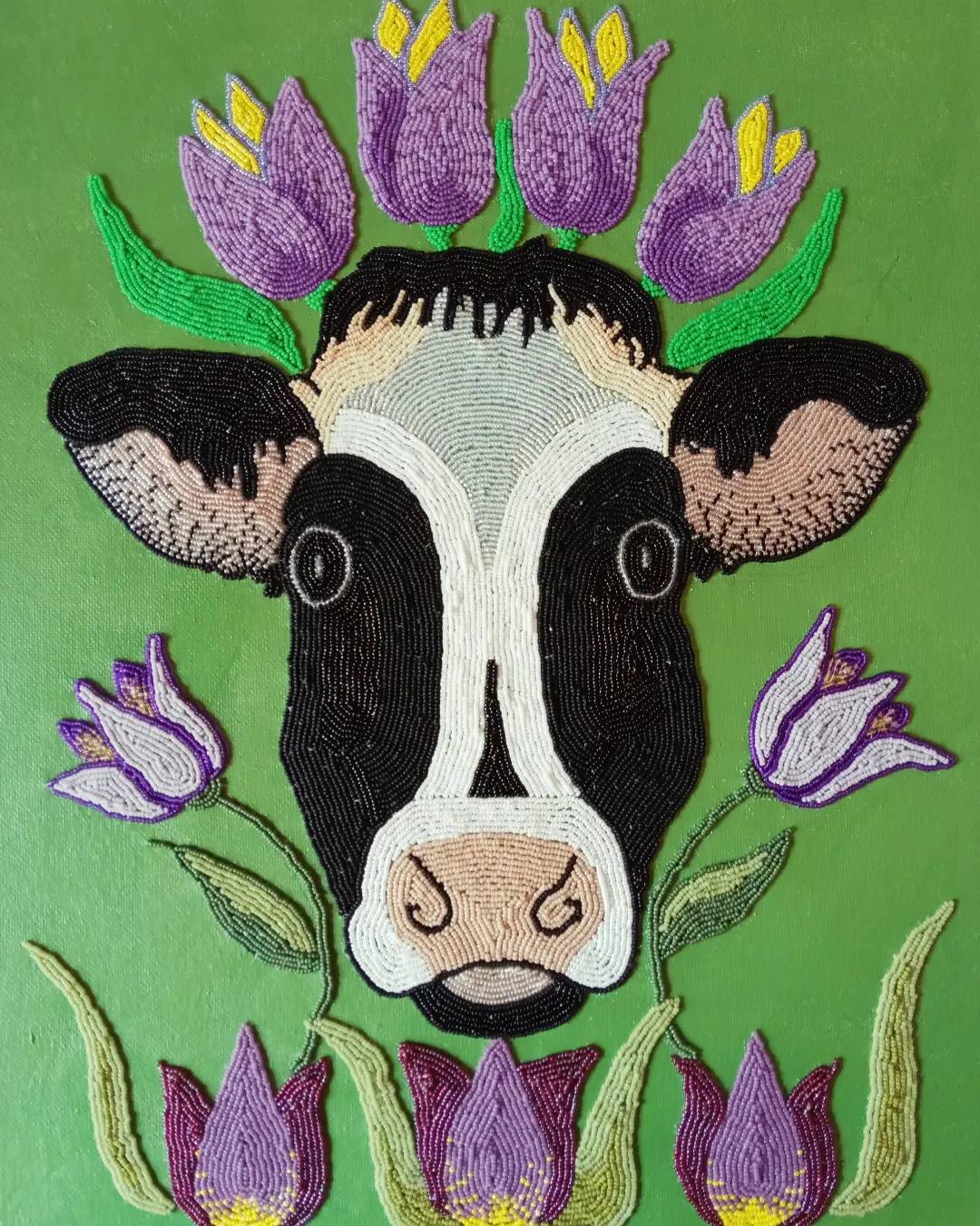
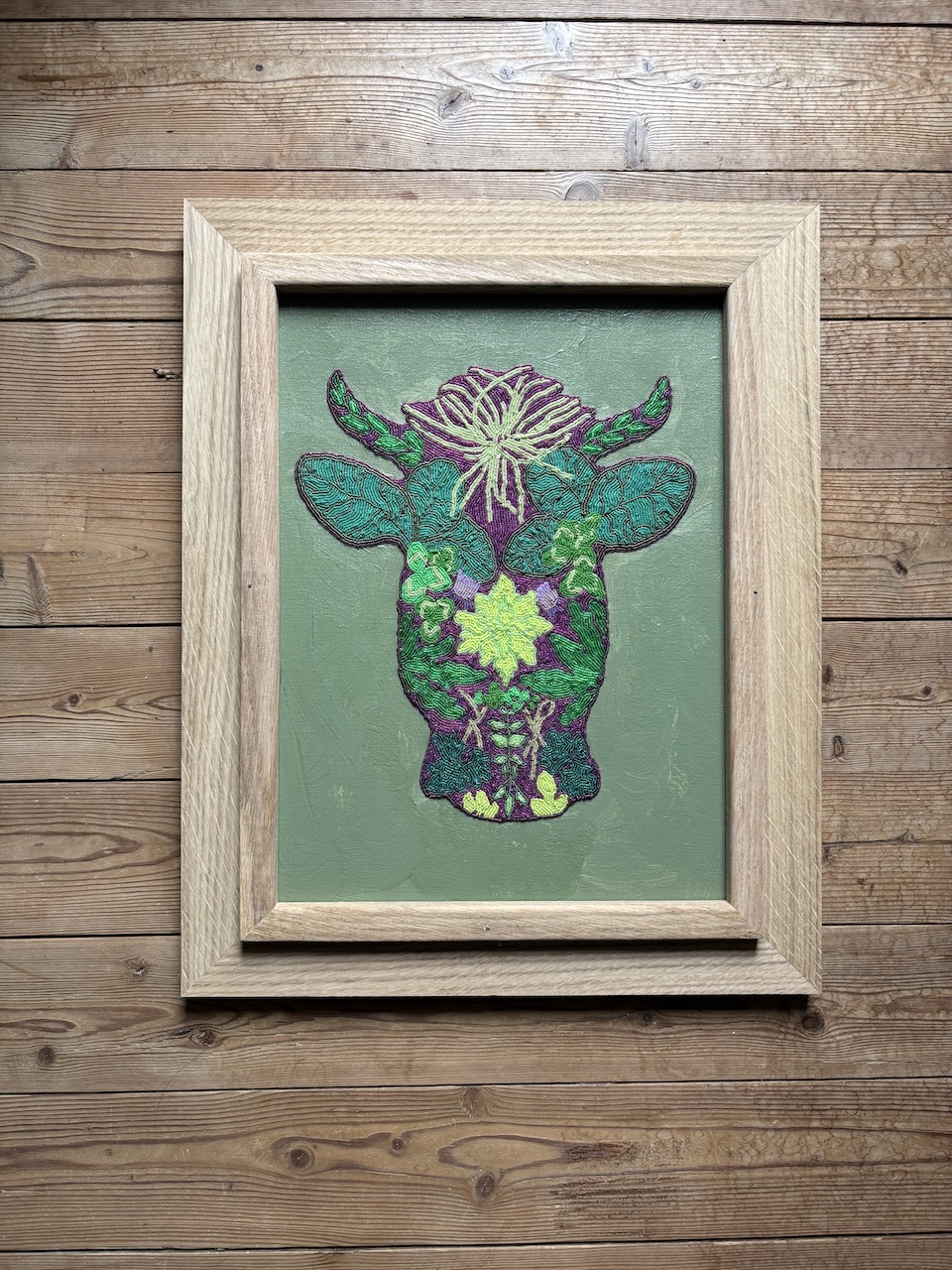

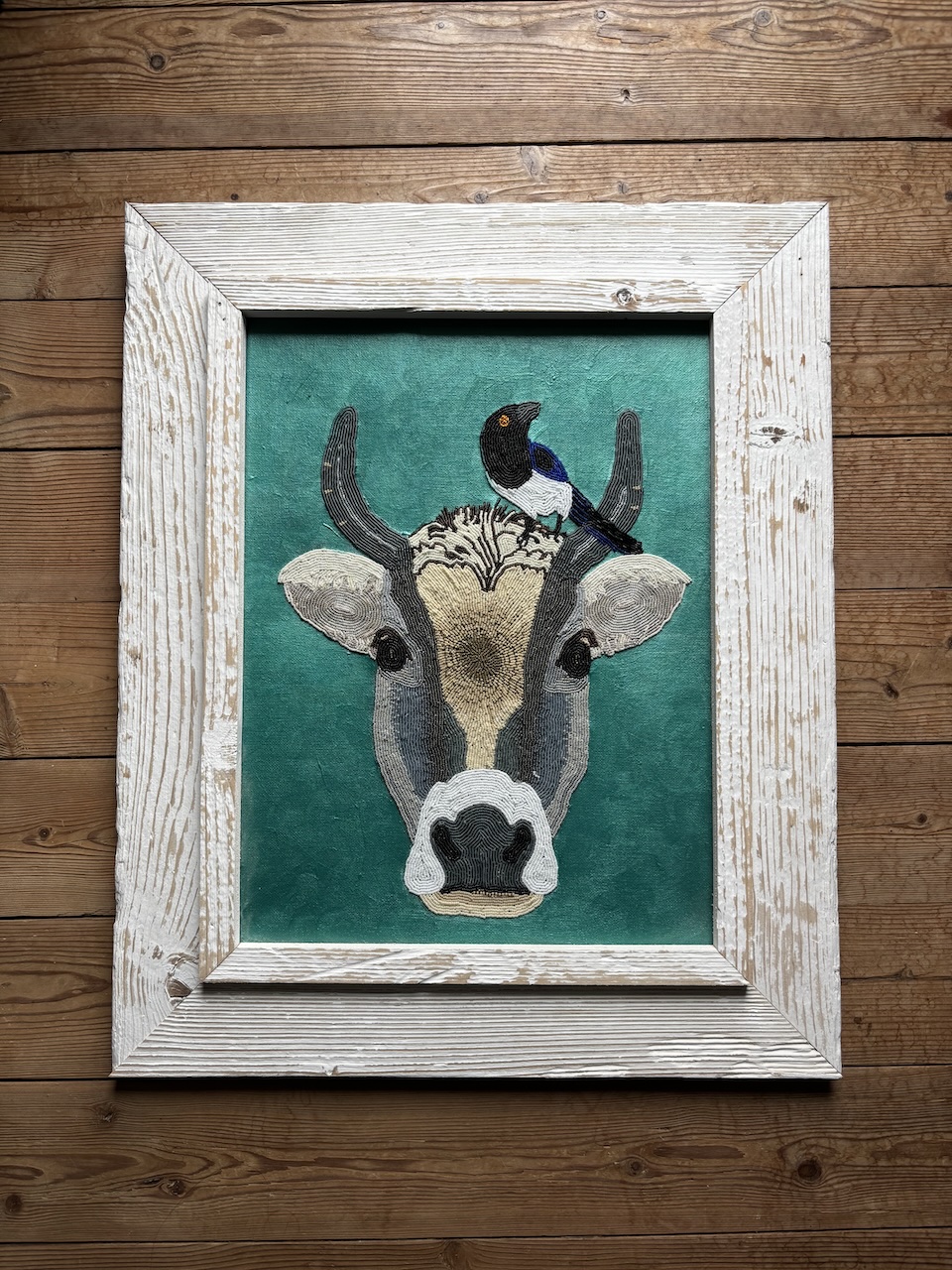

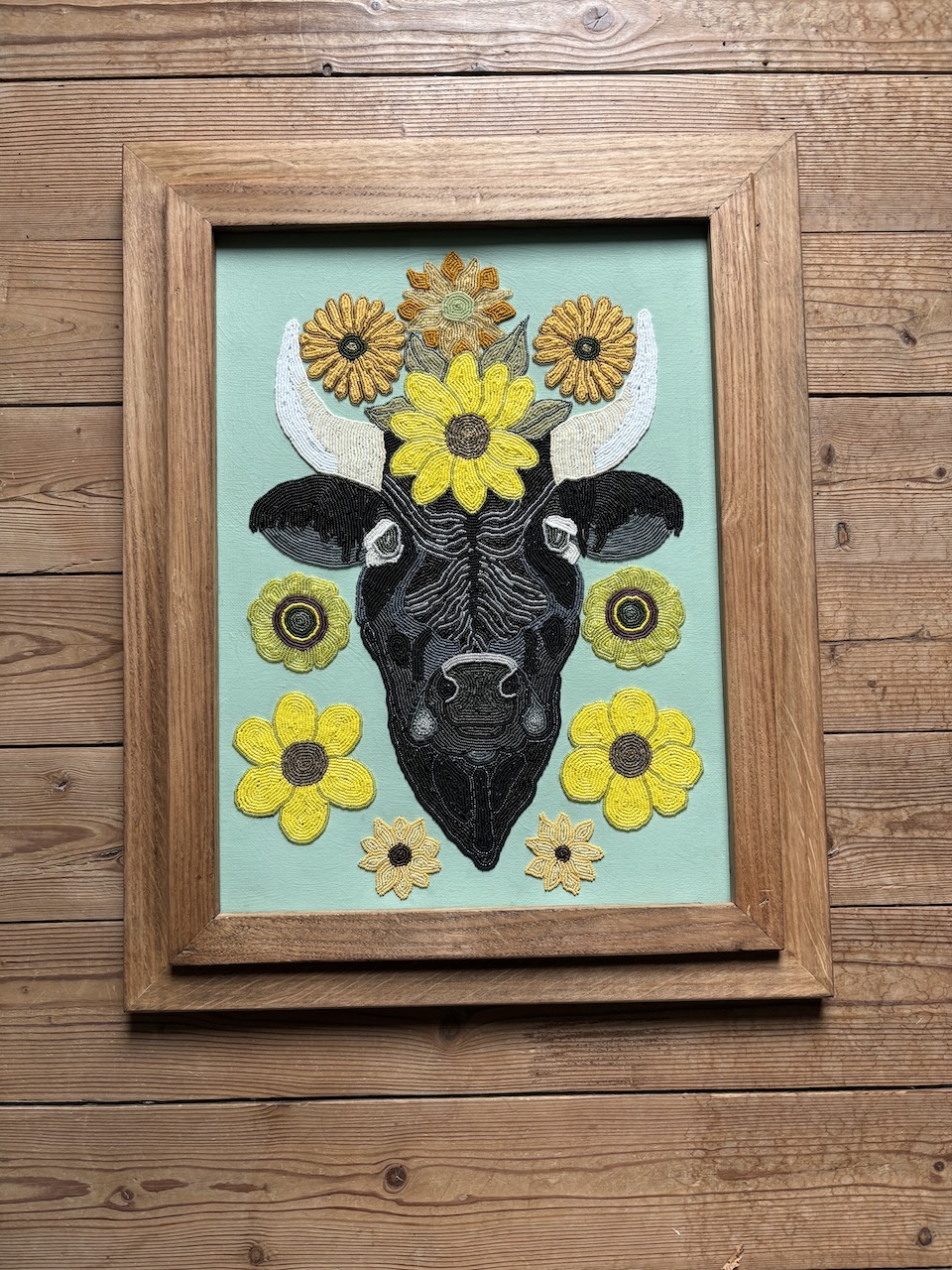

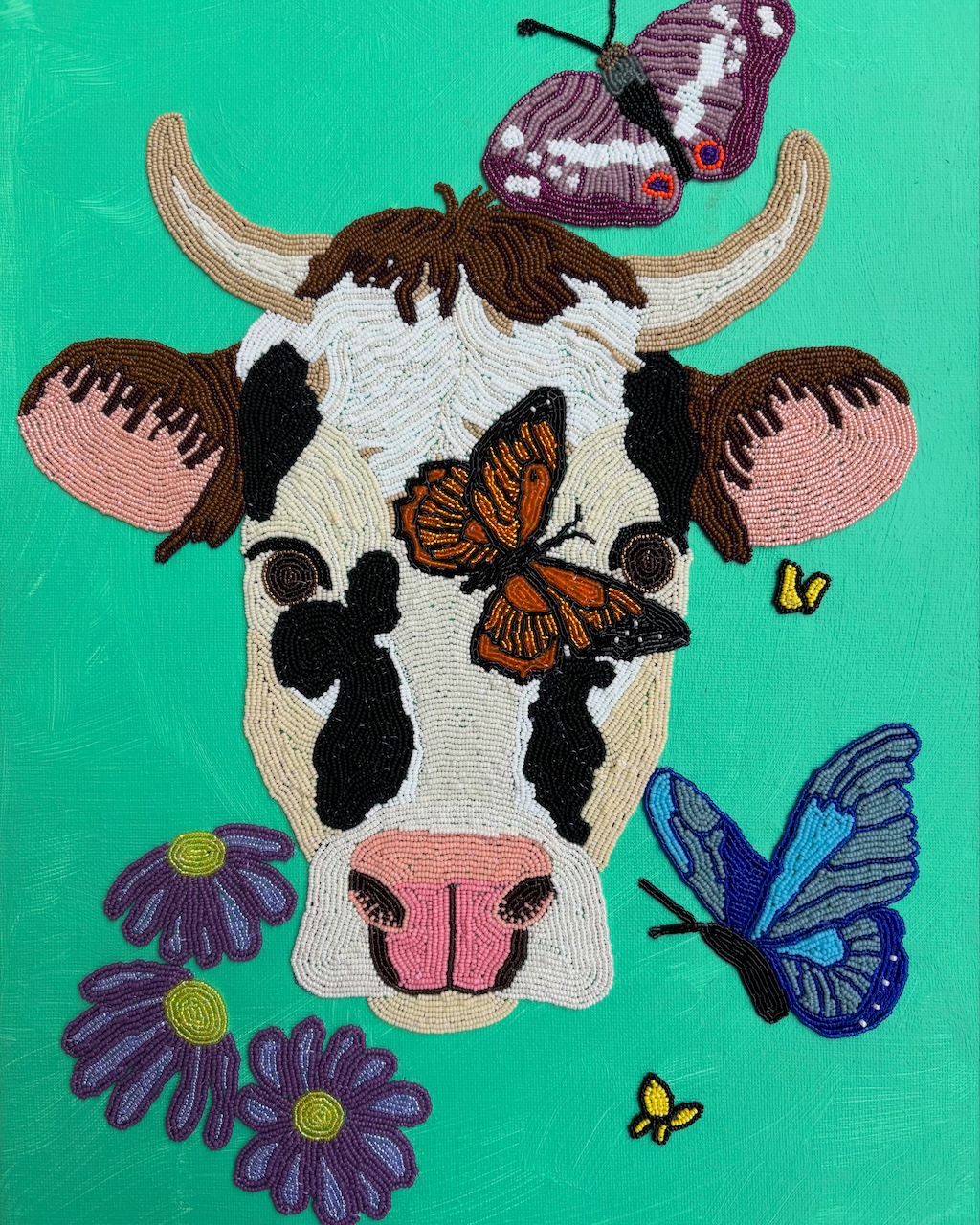
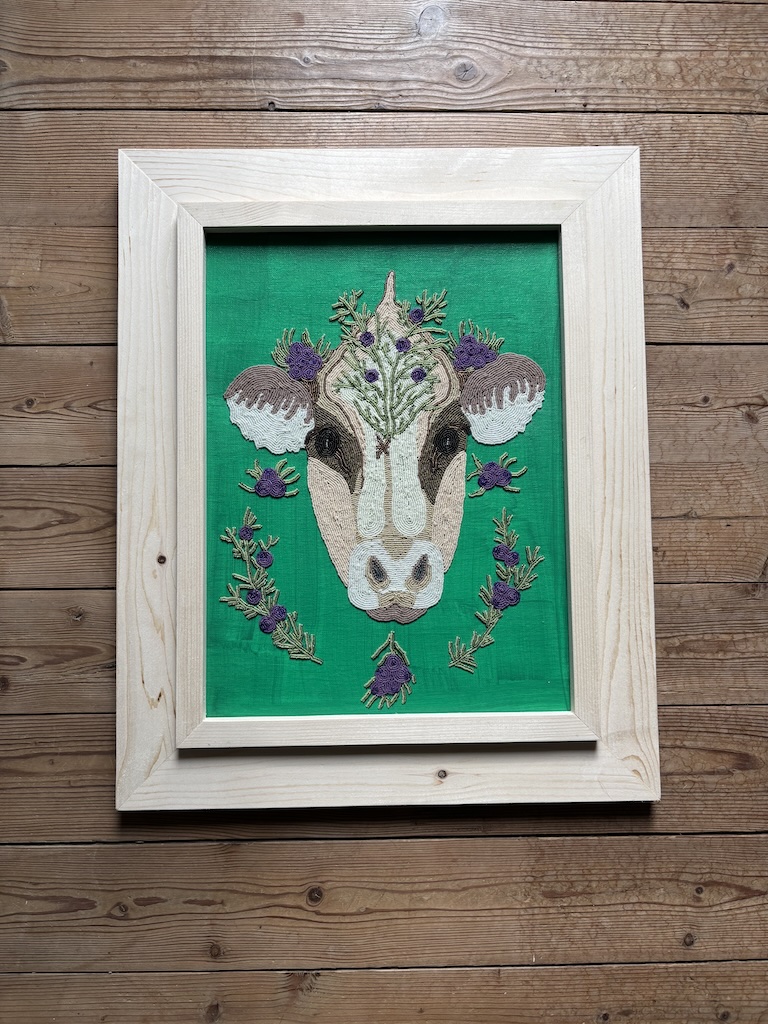

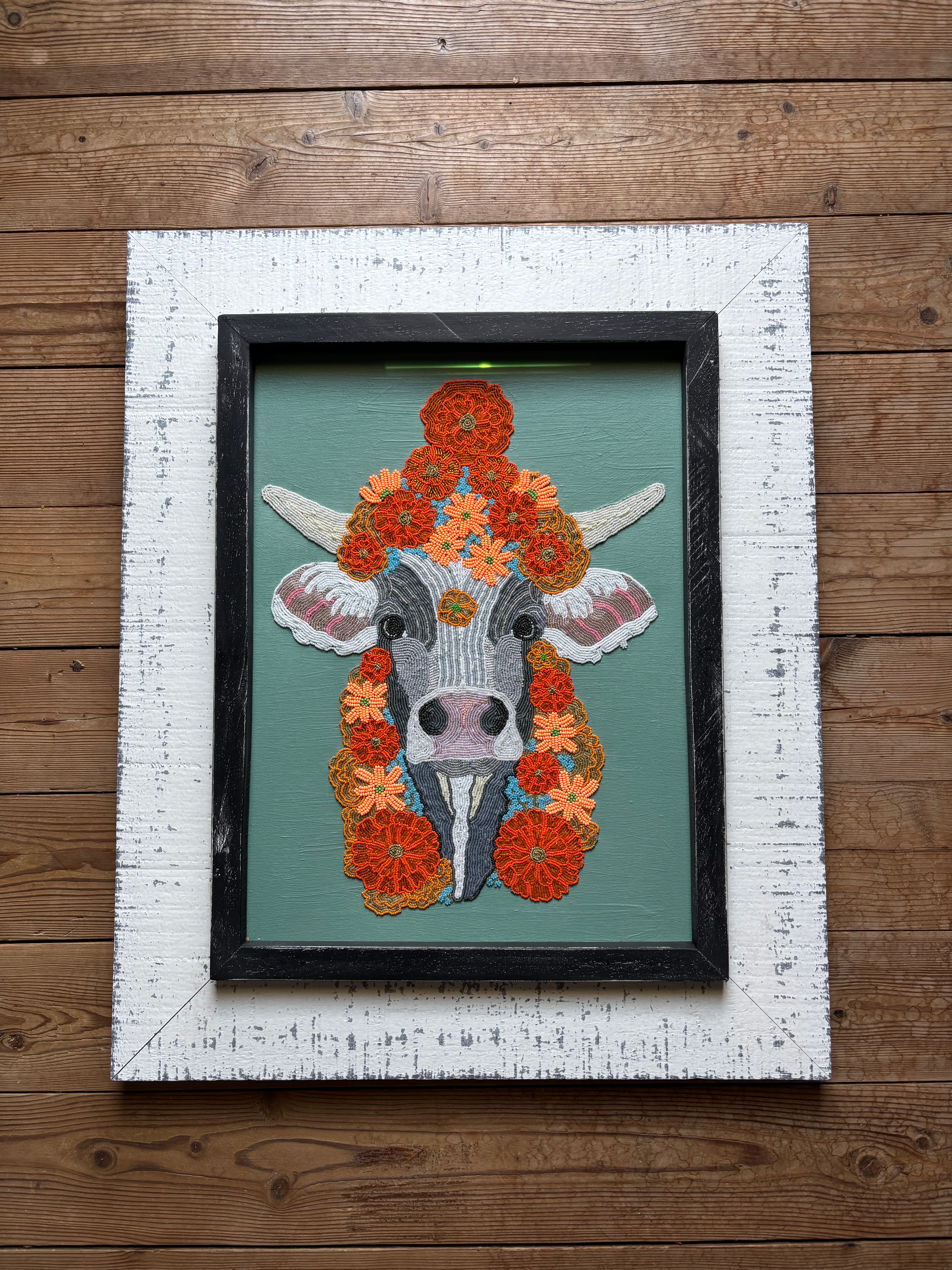
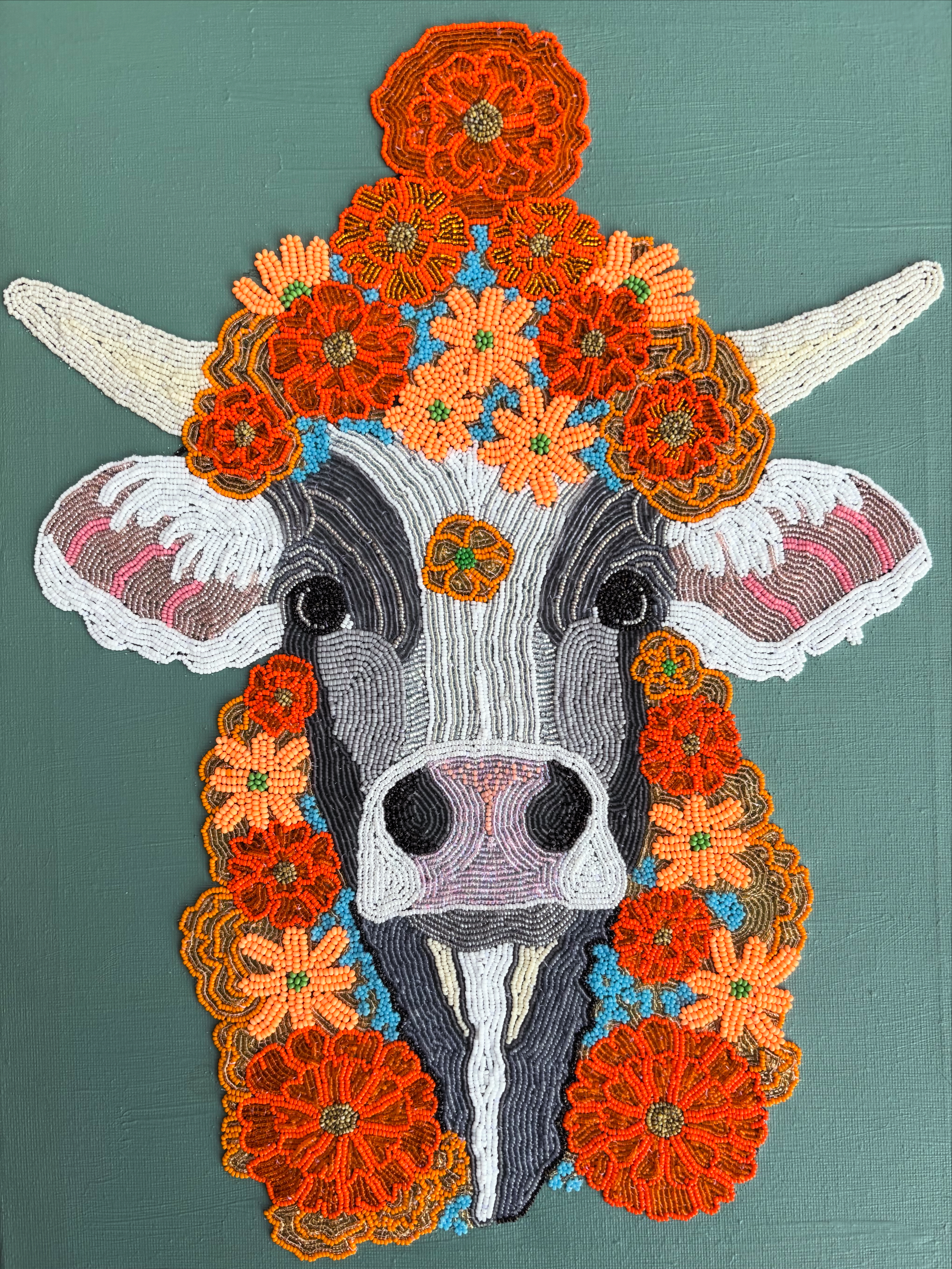
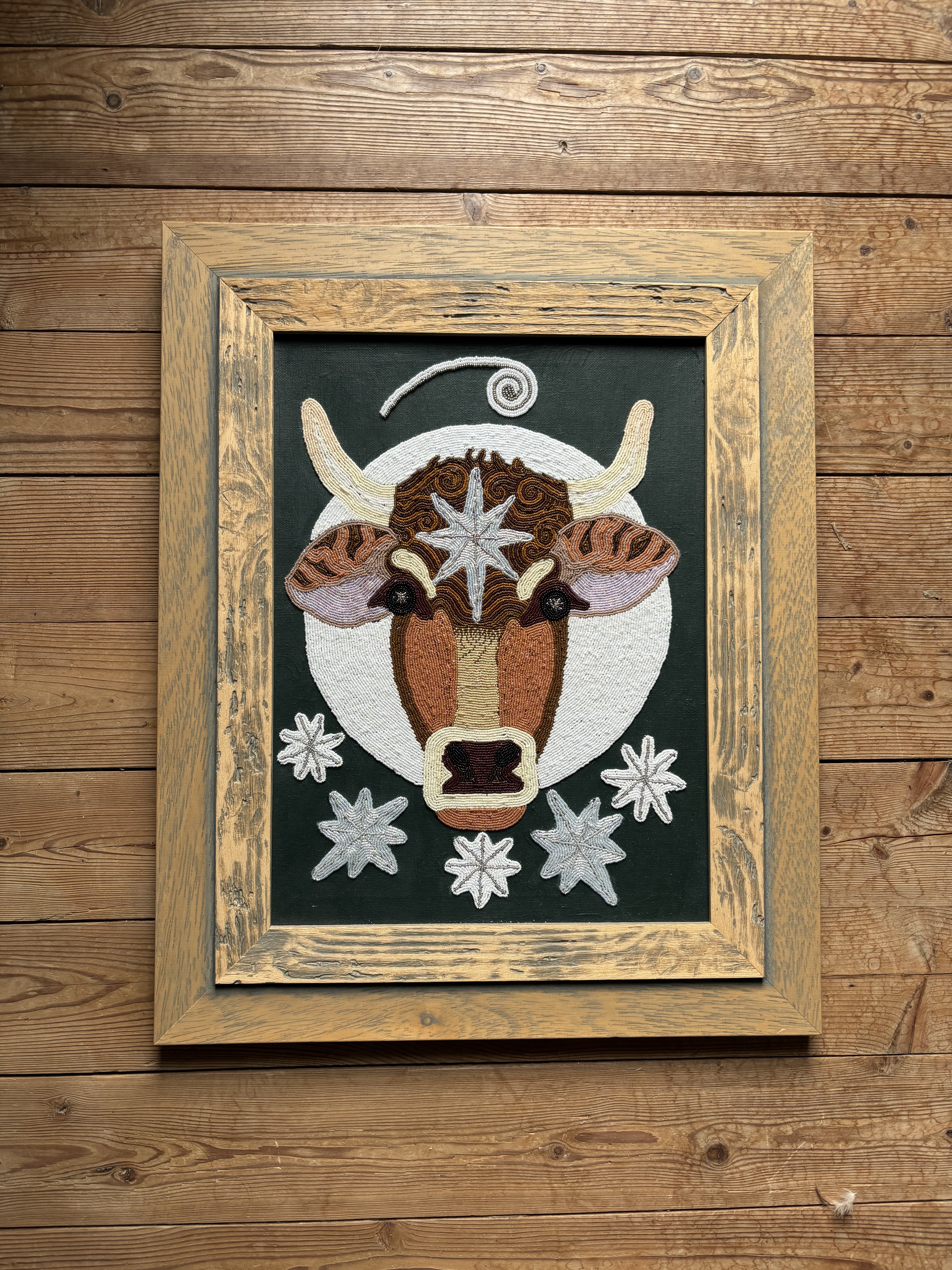
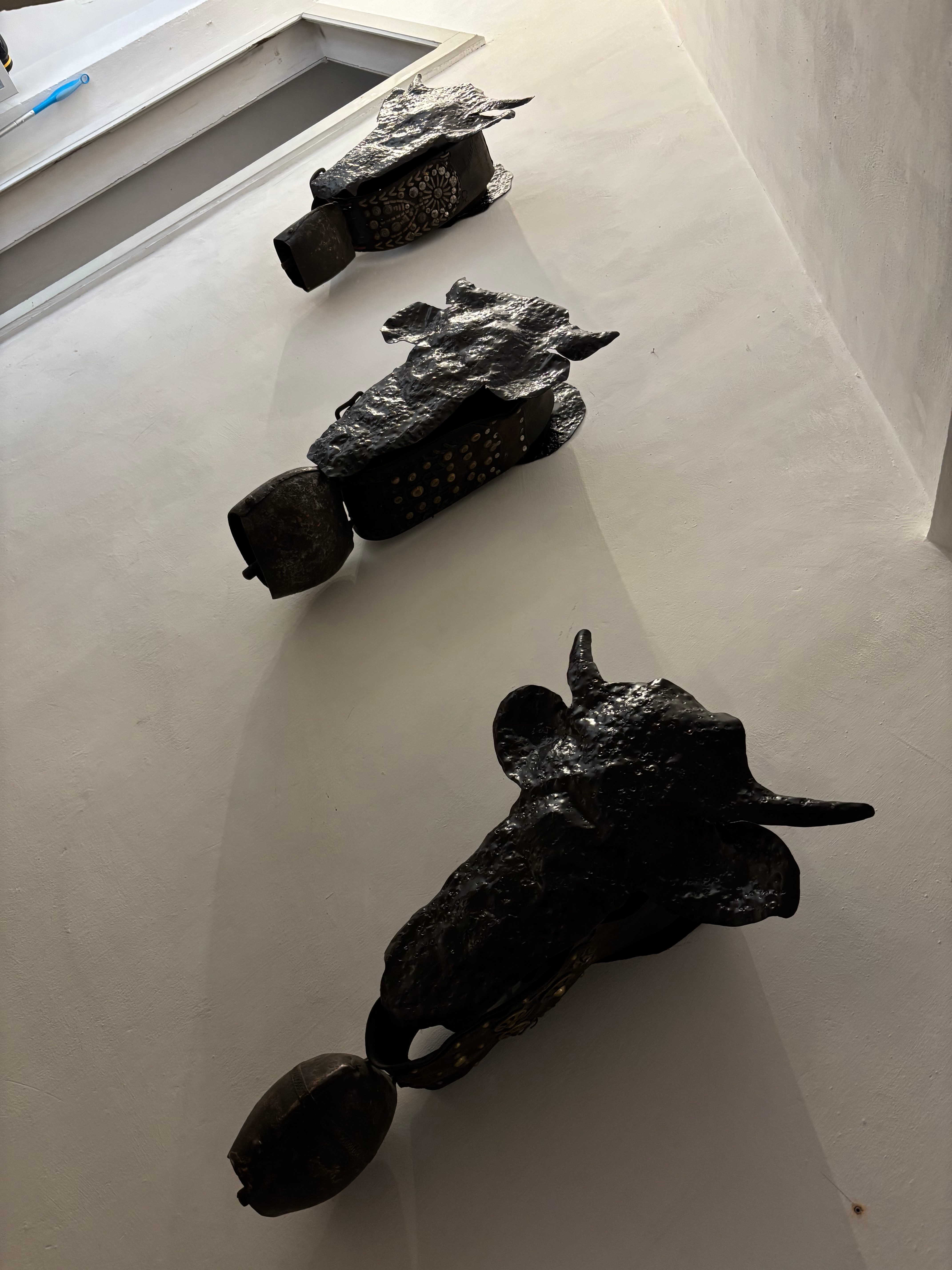

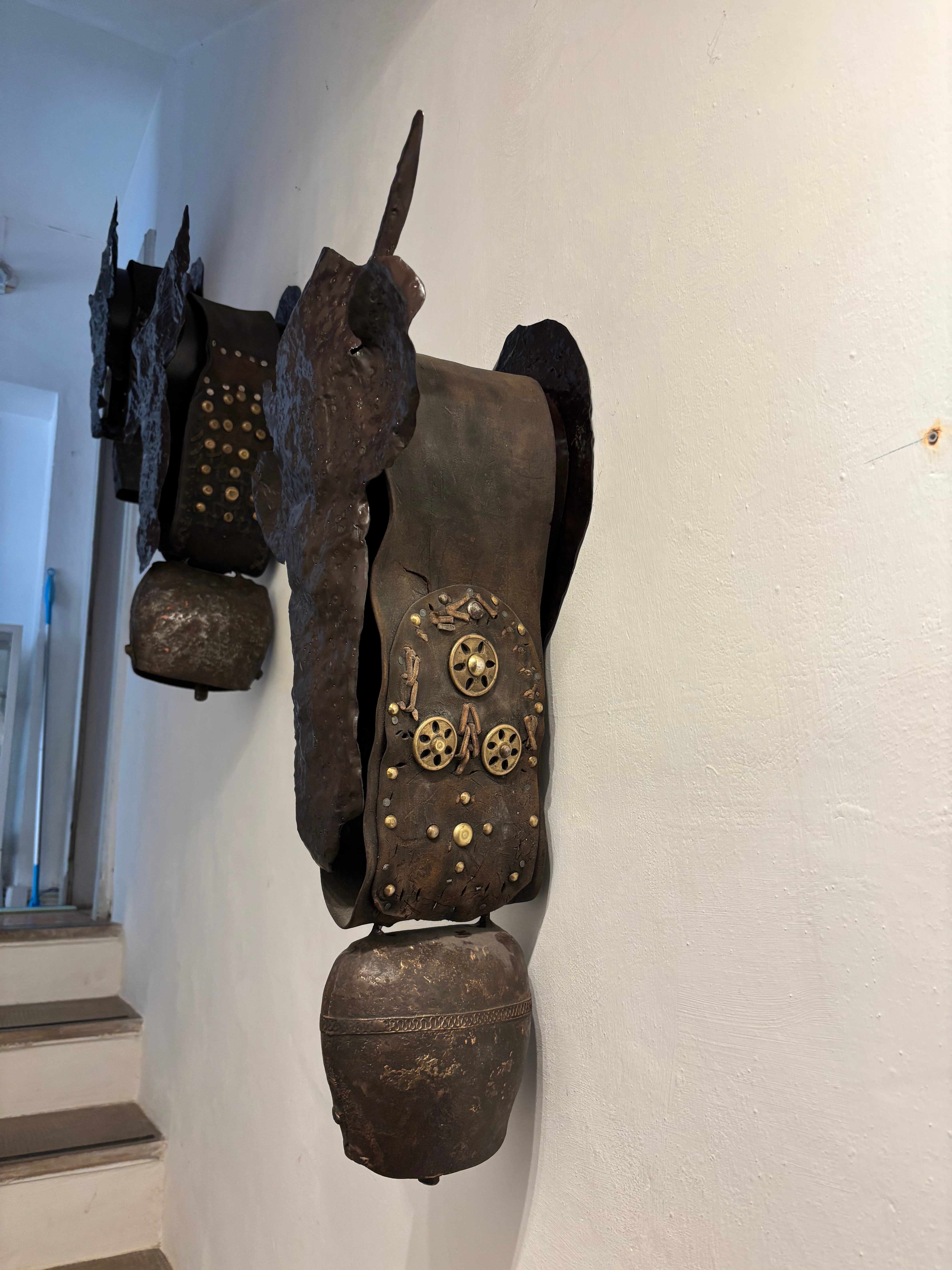
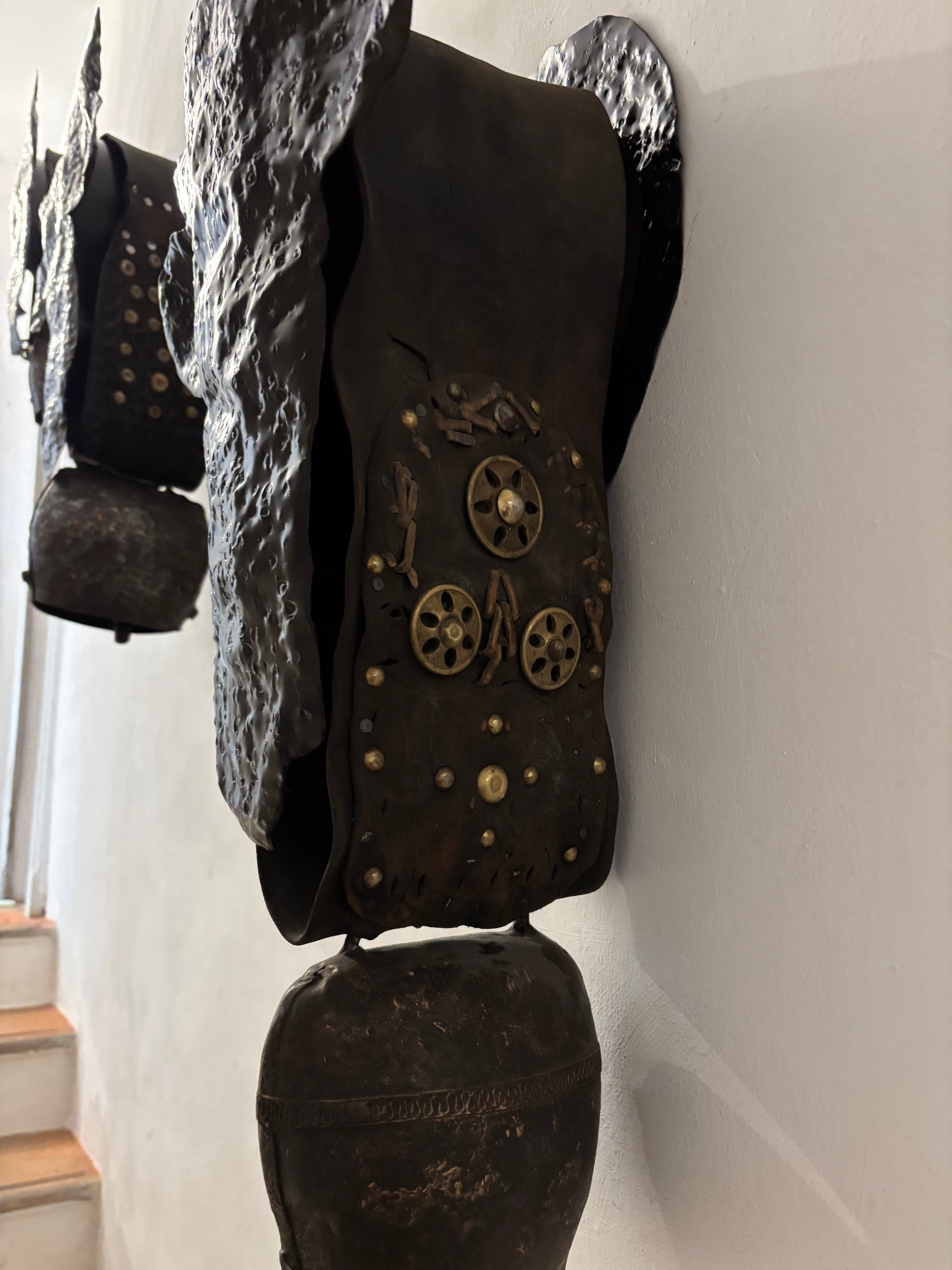
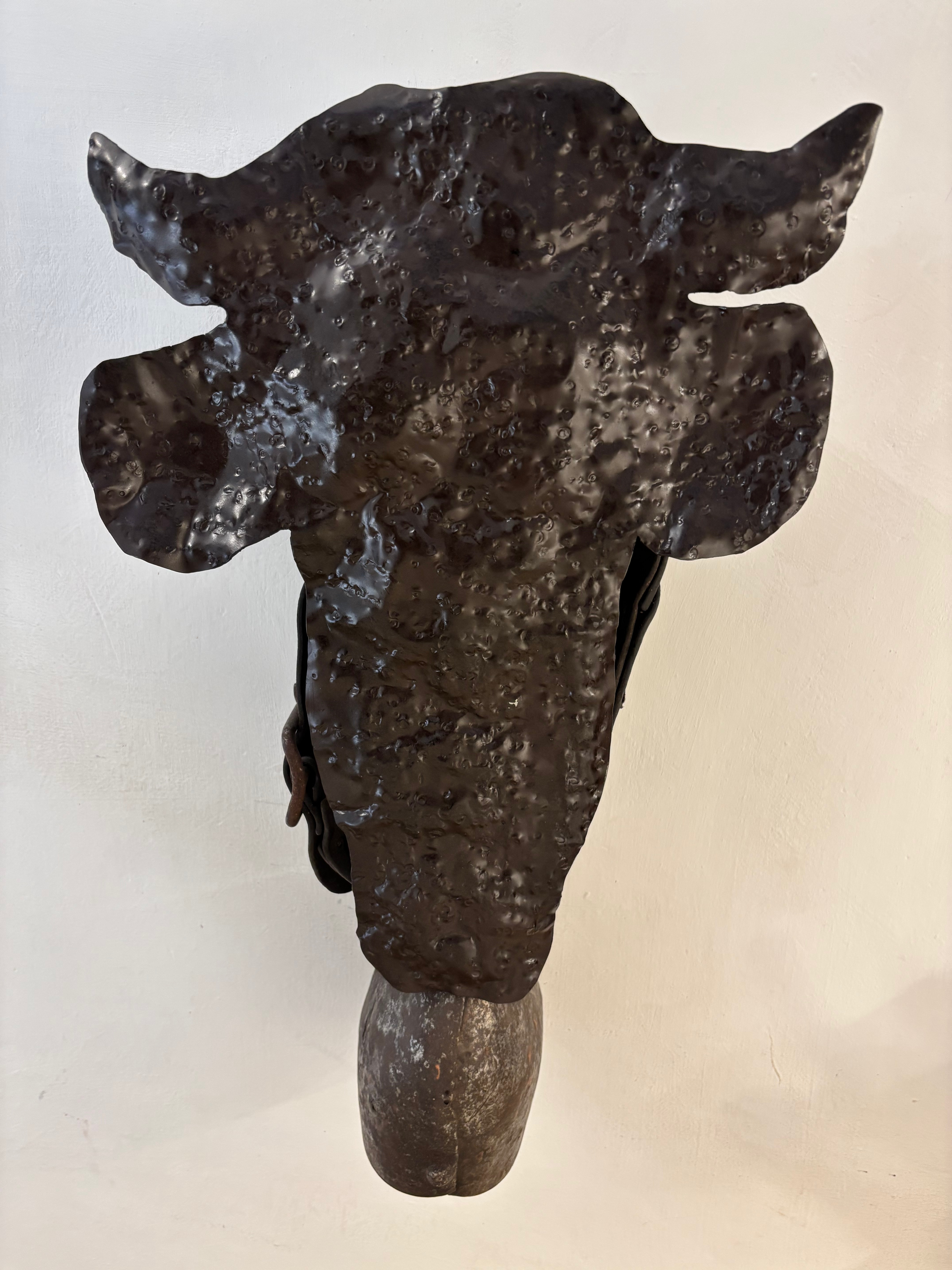

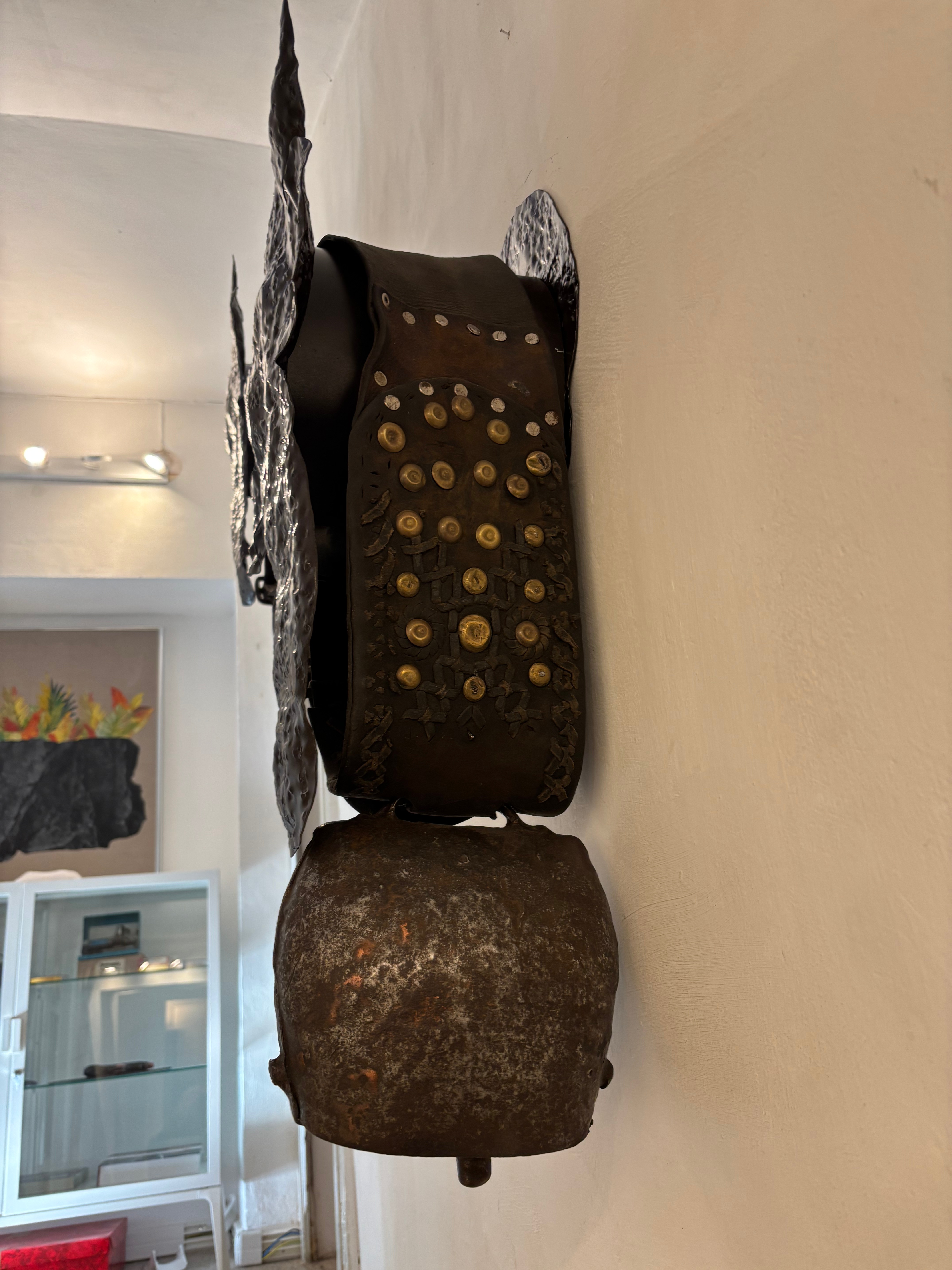

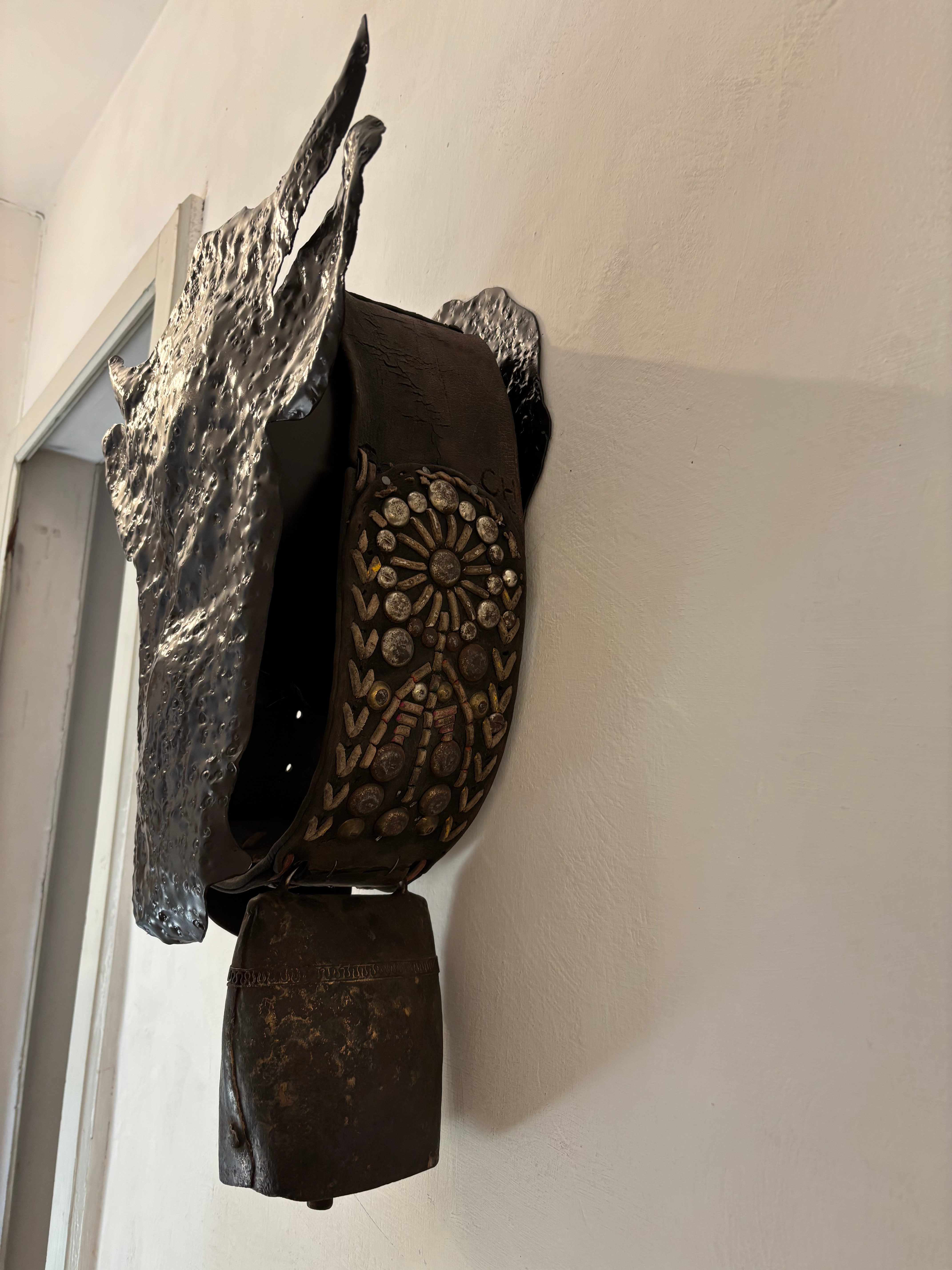
Currently based in the Biellese Alps in Northern Italy, I have become acutely aware of the annual rhythm of livestock moving too and from the high mountains for summer grazing. This ancient practise, called transhumance, is passionately preserved by the local people. The animals are held in the highest regard, as are their renowned cheeses and dairy products. To quote Slow Food Italy: “Speaking of transhumance means delving into an ancient practice described in literary works and legal texts. It refers to a true civilization that has evolved over centuries of history. But at the same time, it gives a voice to those who continue to practice it today, faithfully preserving a technique that carries incredibly contemporary messages. It is about landscape conservation, pastures, and traditional routes, and the welfare of animals” (https://cheese.slowfood.it/en/event/september-time-of-transhumance/). From the window of my studio space, I watch the animals, led by their Shepherds, as they make their way to cool meadows rich in herbs, grasses, and alpine flowers. The sound of their bells entwined with the barking of the herding dogs and the calls of the Shepherds has become a sort of music to me, enriching my artistic practise and filling me with inspiration. I have a ritual of watching and attempting to count the animals as they pass.
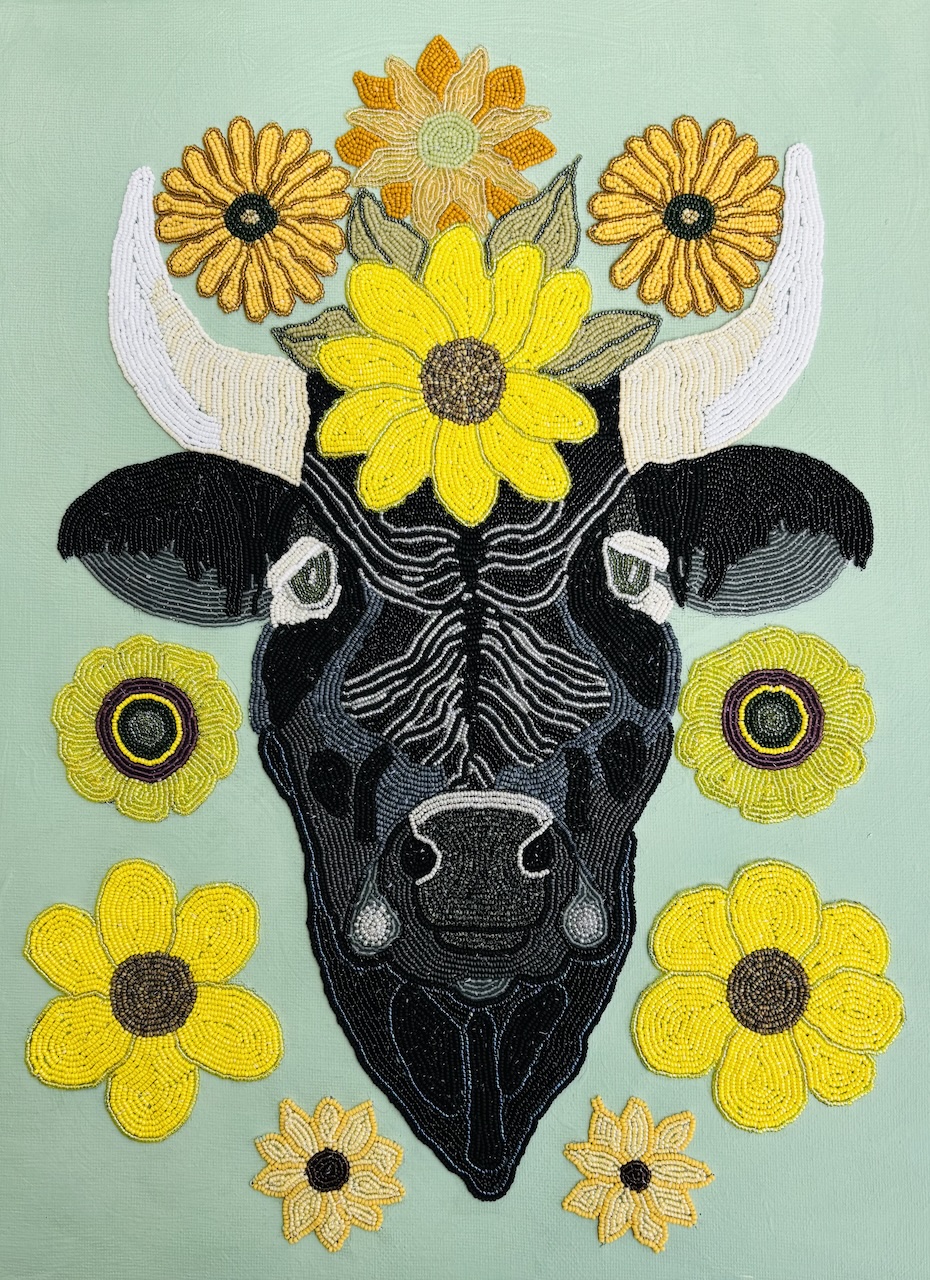
My primary artistic medium is also informed by a timeless tradition, beadwork. Here too I embrace the ritual of counting, taking up ten beads at a time onto my needle to work into a given composition. Working with glass beads has become an increasingly common and widely accepted medium within the Canadian contemporary art community. In fact, at the 2024 Venice Biennale, artist Kapwani Kiwanga (curator: Gaëtane Verna), encased the Canadian pavilion in thousands of strings of tiny glass beads arranged in intricate patterns. A current exhibition at the National Gallery of Canada, Radical Stitch (curated by Sherry Farrell Racette, Michelle LaVallee and Cathy Mattes), showcases contemporary beadwork by Indigenous artists from across Canada. The newly released book, Bead Talk (editors Carmen Robertson, Judy Anderson, and Katherine Boyer), explores the explosion of beadwork within the contemporary Indigenous art world. There are deep ties between the act of beading and the colonial history of Canada, where beads became a form of currency dependent upon elaborate and far-reaching trade networks. As a Red River Métis artist (Manitoba Métis Federation Citizen), I embrace this history and use beads to tell stories that I find inspiring.
This project combines the subject of transhumance with the method of beadwork. I am fueling my artistic practise by spending time participating in the walking of herds too and from grazing pastures, immersing myself within the process, and exploring the natural spaces occupied by the transhumance tradition.
 Corinna Wollf